Contents (13 sections)
Smart home technology has revolutionised the way we interact with our environments. However, with the vast array of devices available, making informed choices can be overwhelming. In this article, we will explore essential considerations when buying smart home devices, helping you to navigate this exciting landscape effectively.
1. Understand Your Needs
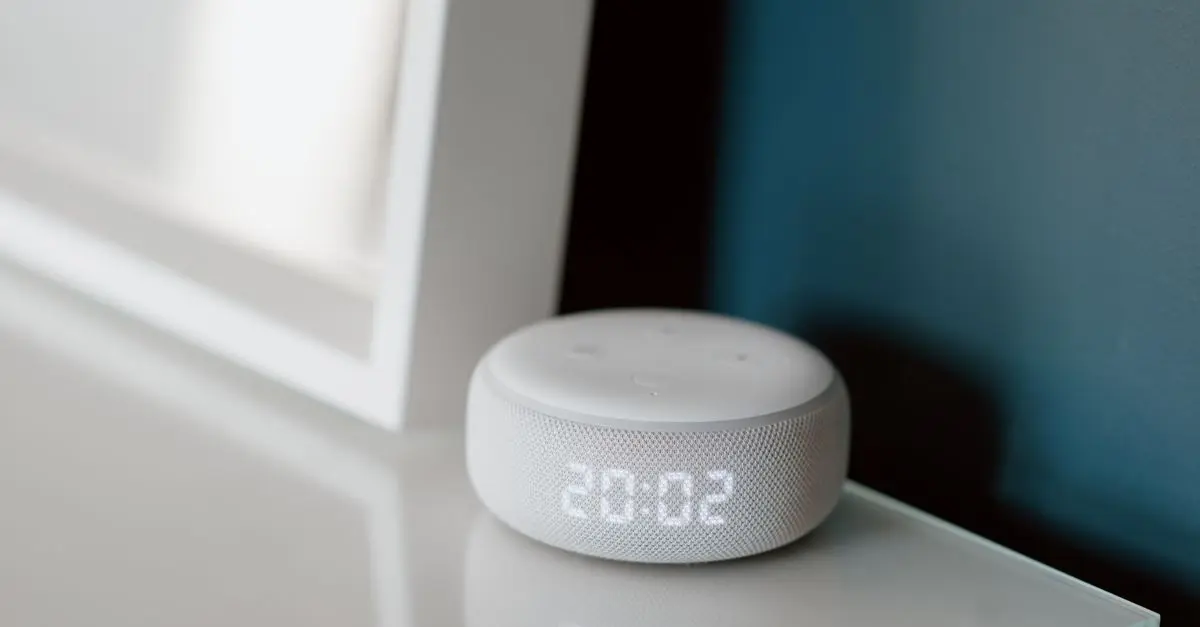
Before diving into the world of smart home devices, it's crucial to identify your specific needs. Ask yourself what purposes you want your smart devices to serve. Are you looking to improve security, enhance convenience, or increase energy efficiency? For example, if security is your priority, smart doorbells and surveillance cameras might be at the top of your list. Conversely, if convenience attracts you, smart assistants and automated lighting systems could be more beneficial.
Additionally, consider the size and layout of your home. Larger homes may require a complete smart system with multiple interconnected devices, whereas smaller spaces could thrive with standalone gadgets. Understanding your needs sets the foundation for your smart home journey, ensuring that you invest in devices that will genuinely enhance your lifestyle.
2. Compatibility and Integration
As you explore smart home devices, consider their compatibility with existing technology. Not all devices communicate seamlessly, which can lead to frustration and a lack of functionality. Check if the devices you are interested in support common communication protocols such as Zigbee, Z-Wave, or Wi-Fi. This ensures they can work together harmoniously.
For example, a security camera should be able to integrate with your smart doorbell and lighting system to create a unified experience. Major platforms like Google Home, Amazon Alexa, and Apple HomeKit provide frameworks for integration. Researching compatibility prior to purchasing can prevent issues down the line and enhance the convenience of your smart home experience.


3. Security Features
Security is paramount when it comes to smart home devices. As more devices connect online, they become susceptible to hacking and privacy breaches. Look for devices that employ strong encryption methods and regular software updates. Consider devices with features such as two-factor authentication, end-to-end encryption, and the option to disable remote access.
For instance, security cameras that allow for encrypted video transmission are crucial if you are concerned about privacy. Additionally, ensure that companies have robust support and clear privacy policies. Research user reviews and industry reports to understand how manufacturers handle security issues, ensuring your smart home remains safe.
4. Energy Efficiency
Energy efficiency is a significant consideration when investing in smart home technology. Many devices can help reduce energy consumption, thereby lowering utility bills. Smart thermostats, for instance, learn your heating preferences and adjust temperatures accordingly, resulting in significant power savings.
Similarly, smart lighting systems allow you to control lighting remotely and set schedules, ensuring lights are only on when needed. According to a study by UFC-Que Choisir, homeowners can save up to 30% on energy costs by utilising smart home technology. When choosing devices, look for Energy Star ratings or equivalent certifications to ensure optimal efficiency.
5. User Experience and Interface
An intuitive user interface can greatly enhance your experience with smart home devices. The ease of setup and daily use should be high on your list of priorities. A device that is difficult to navigate or requires extensive technical knowledge can become a source of frustration.
Consider applications that are user-friendly and offer support for customisation. Reviews often provide insight into the user experience, allowing you to gauge whether the device will meet your expectations. User-friendly devices contribute to a more enjoyable smart home experience, making technology feel like a seamless part of your home.
6. Customer Support and Warranty
When purchasing smart home devices, consider the level of customer support provided by the manufacturer. Optimal customer service can make a significant difference in resolving any issues that may arise. Check for available resources such as online chat, email support, user manuals, and robust FAQ sections.
Additionally, evaluate warranty options offered with the product. A solid warranty can provide peace of mind, ensuring that you are covered in case of malfunction. A manufacturer that stands by its products is often a good indicator of quality and reliability.


7. Price vs. Quality
While budgeting is important, opting for the cheapest option can result in compromising on quality. Often, you will find that well-reviewed products with a slightly higher price point offer enhanced performance and longevity. Consider this when selecting devices, as investing a little more upfront can save you money in the long run.
Reviewing comparison ratings from consumer reports or tech websites can help identify the best value products. Genuinely consider the cost versus benefits—sometimes, spending a bit more for a device with excellent features can be worth the investment.
8. Future-proofing
Smart home technology is rapidly evolving, and devices may be rendered obsolete more quickly than traditional tech. Look for devices that not only meet your current needs but also offer potential for upgrades or compatibility with future innovations. Some manufacturers provide regular firmware updates or additional features through software that can be updated remotely.
Consider whether the device has the potential for future enhancements or integration with new technologies. This foresight can lead to a smarter investment, maximising the lifespan of your devices.
📺 Resource Video
> 📺 For those interested: How to Choose the Right Smart Home Device, a detailed analysis of selecting the best gadgets for your needs. Search YouTube with the query: how to choose smart home technology 2026.
Glossary
| Term | Definition |
|---|---|
| Smart Home | A residence that uses smart technology to enable remote management and monitoring of systems and appliances. |
| Zigbee | A specification for a suite of high-level communication protocols using low-power digital radios. |
| Energy Star | A standard for energy efficiency that is used in the production of consumer products. |
Checklist before Purchase
- [ ] Identify your specific smart home needs.
- [ ] Check compatibility with existing devices.
- [ ] Investigate the security features.
- [ ] Assess energy efficiency ratings.
- [ ] Review user experience and interface.
- [ ] Research customer support and warranty options.
- [ ] Determine cost versus quality balance.
- [ ] Consider future-proofing options.
📺 Pour aller plus loin : how to choose smart home technology 2026 sur YouTube
Recommended products
Selected by our experts