Contents (13 sections)
In today's technology-driven world, smart home devices have become essential for many households. From enhancing convenience to increasing energy efficiency, these devices transform how we interact with our living spaces. However, choosing the right devices can be daunting due to the vast array available. This guide will share essential tips to help you make informed decisions when buying smart home technology.
1. Understand Your Needs
When considering smart home devices, the first step is to clearly define your needs. Assess your daily routines and identify areas where automation could be beneficial. For instance, if you often leave home in a rush, smart lighting systems that can be programmed to turn off when you leave could add significant convenience. On the other hand, if security is your primary concern, investing in smart security cameras or a smart doorbell would be ideal. According to a recent survey by UFC-Que Choisir, more than 60% of homeowners identified security as their top priority when automating their homes. Understanding your specific needs will guide your selection process effectively.
2. Compatibility with Existing Devices
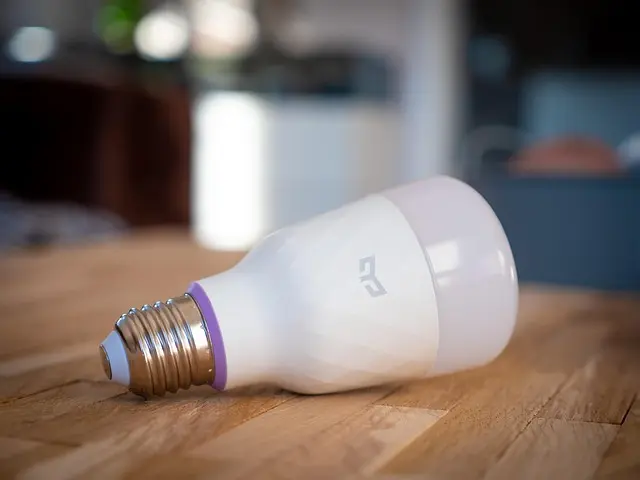
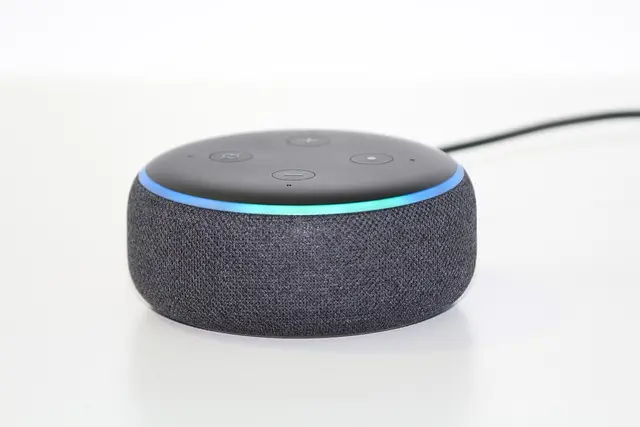
Before purchasing any smart home technology, consider how well it integrates with your existing devices. Many smart products work best within a particular ecosystem, such as Amazon Alexa, Google Assistant, or Apple HomeKit. Researching compatibility can save you time, money, and frustration later. For example, if you already have a smart speaker that integrates well with light bulbs, opt for those compatible bulbs. This enables smooth communication between devices, making your smart home a cohesive system rather than disconnected gadgets.
3. Research and Compare Products
Don't rush your purchase; take the time to research and compare products. Look for features that matter most to you, like voice control, app integration, or automation capabilities. Websites specialising in tech reviews, such as Les Numériques, provide in-depth analyses and comparisons of smart home devices. Their tests can help you understand the pros and cons of various options and guide you in choosing the best fit for your needs. Furthermore, consider looking at customer reviews on retail websites to gain insights from other users about their experiences.
4. Prioritise Security Features
As smart home devices are increasingly integrated into our daily lives, ensuring their security becomes paramount. Devices that are vulnerable to hacking can expose your personal information and jeopardize your home security. Opt for devices that offer encrypted connections and require secure authentication processes. Additionally, some companies provide regular firmware updates to address security bugs. Following best practices, like changing default passwords and regularly updating software, can further protect your smart home network.
5. Choose Energy-Efficient Options
Energy consumption is another vital aspect to consider when selecting smart home devices. Look for options that offer energy-saving features, as these can significantly lower your utility bills in the long run. Many devices now come with energy-monitoring capabilities that track usage habits and help identify areas to save on energy costs. For example, smart plugs can schedule appliance usage during off-peak hours, ultimately saving you money. According to ADEME, smart devices could cut energy usage by up to 30% when effectively utilised.
6. Evaluate Usability and Support
Usability is crucial, particularly if multiple household members will interact with the devices. Ensure that the smart home devices you choose are user-friendly and come with ample resources, such as manuals, FAQs, and customer support. High-quality support and resources can greatly enhance your experience, aiding in troubleshooting, setup, and usage. Consider devices with dedicated apps featuring intuitive navigation and clear instructions.
7. Plan for Future Expansion
As you invest in smart home devices, think about your future needs. Technology evolves rapidly, and what works for you today might not suffice in a few years. Select devices that are easily upgradable or that have a robust ecosystem. Some brands offer a wide range of products that work seamlessly together, allowing you to expand your smart home as your needs change. Investing in such products today can save money and hassle in the future.
8. Set a Budget
Last but not least, set a realistic budget for your smart home purchases. Prices can vary significantly, based on features and brands. Prioritise essential devices and consider them for your initial investments. However, it may be worth spending a bit more on devices from reputable brands known for their quality and security over cheaper, lesser-known products that may cost you more in repairs or security issues later.
🏷️ Summary Checklist
- [ ] Define your smart home needs
- [ ] Check device compatibility with your current system
- [ ] Research and compare product reviews
- [ ] Prioritise security when choosing devices
- [ ] Look for energy-efficient alternatives
- [ ] Ensure the product is user-friendly and supports expansion
- [ ] Set a budget before shopping
💡 Expert Opinion: Investing in a smart home system is not just about convenience; it's about enhancing your lifestyle and increasing your property's value. Ensure every device you opt for adds tangible benefits.
📺 For More Information:
For a deeper dive into smart home technology, search YouTube for "top smart home devices 2026" to find detailed reviews and user experiences.
Glossary
| Terme | Définition |
|---|---|
| Smart Home Devices | Gadgets and appliances connected to a network, enabling remote control and automation. |
| Integration | The ability of multiple devices to work together seamlessly within a smart home ecosystem. |
| Energy Efficiency | The use of technology that requires less energy to perform the same functions, leading to lower utility costs. |
---
Choosing the right smart home devices requires thoughtful consideration, thorough research, and a clear understanding of your needs. By following these guidelines, you are likely to create a connected environment that significantly enhances your lifestyle. Embrace the future with confidence and smart technology!
Recommended Products
- - - - ---
📺 Pour aller plus loin : top smart home devices 2026 sur YouTube
Recommended products
Selected by our experts


StarTech.com USB4 to Ethernet Adapter, 10GbE, Multi-Gigabit, Thunderbolt Compatible, 10GBASE-T/5G/2.5G NIC, 10G Ethernet Adapter, 0.5m USB4 Cable,
Back to the Office