Contents (11 sections)
In today's interconnected world, smart home devices are becoming integral to our daily lives. They offer unprecedented convenience and efficiency, transforming the way we interact with our homes. Smart home devices can range from smart speakers to thermostats, and understanding what to look for can greatly enhance your experience. Here, we delve into the top five features to consider when making a purchase.
1. Compatibility with Existing Systems
When buying a smart home device, ensure that it is compatible with your existing ecosystem. Many devices operate within different platforms such as Google Home, Amazon Alexa, or Apple HomeKit. Choosing a device that can integrate seamlessly with the system you already have can save you time and money in the long run. According to recent user feedback, devices that easily link together provide a smoother experience, allowing users to control multiple functionalities from one dashboard. For instance, if you already own Amazon Echo, opting for devices that are Alexa-compatible would be ideal.
2. Ease of Use
User-friendliness is crucial when selecting smart home devices. The setup process should be straightforward, preferably involving an easy-to-navigate app that guides you through every step. According to surveys conducted within the tech community, many users abandon new technology due to complex installations. Devices that offer voice control or a simple user interface can greatly increase satisfaction among consumers. Choosing devices that have positive user ratings for simplicity can ensure you won't face frustrated moments trying to connect a device.


3. Security Features
As our homes become smarter, security concerns also grow. Many smart home devices come equipped with robust security features such as encryption, two-factor authentication, and regular firmware updates. For example, a smart camera should provide a secure connection to your network as well as options for data storage, whether local or cloud-based. Experts recommend scrutinising these features, especially as over 50% of consumers express concerns regarding smart home security, according to various studies. Always opt for brands known for prioritising security in their devices.
4. Energy Efficiency
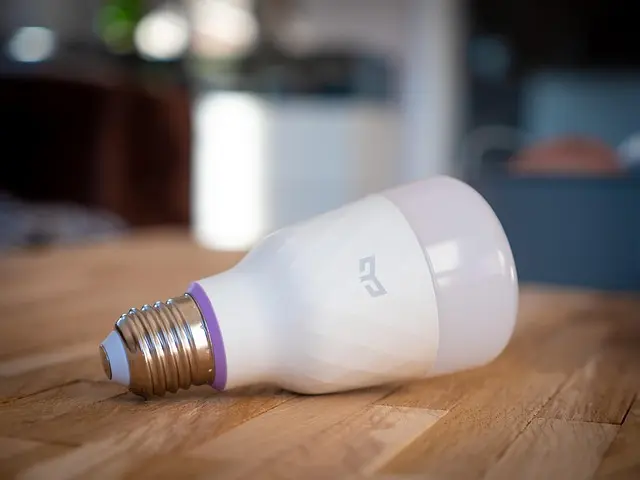
Sustainability is more important than ever. Many smart home devices are designed to be energy-efficient, helping homeowners save on their utility bills while also being environmentally conscious. Devices such as smart thermostats and LED smart bulbs can drastically reduce energy consumption. For instance, energy-efficient systems can offer savings of up to 30% on energy bills per year, according to UFC-Que Choisir. Opting for devices that provide energy usage data and suggest improvements can empower you to make smarter choices that benefit both your wallet and the planet.
5. Future-Proofing
Investing in forward-thinking technology can save you from having to replace devices soon after purchase. When selecting smart home devices, consider those that can be updated with new features via software updates rather than hardware replacements. Devices that utilize open standards or regularly release firmware updates tend to adapt better to future smart home innovations. Consumers should evaluate product lifespans and the brand’s commitment to innovation. A report from Les Numériques indicates that products designed with flexibility can significantly extend their life cycle.
📺 Resource Video
> For a deeper understanding, check out “Understanding Smart Home Technologies”, an overview of essential aspects consumers should consider before purchasing smart home devices. Search on YouTube: understanding smart home technologies 2026.

Lenovo V14 G4 ABP AMD Ryzen 5 7430U Laptop 14" 8GB RAM 512 GB SSD Windows 11 Home Laptop
box.co.uk


Smart app wifi Infrared ir remote control air conditioner home devices universal remote controller
Alibaba UK
Comparison Table
| Feature | Compatible Device A | Compatible Device B | Verdict |
|---|---|---|---|
| Compatibility | Yes | Yes | Both usable |
| Ease of Use | High | Moderate | Device A wins |
| Security Features | Advanced | Basic | Device A wins |
| Energy Efficiency | Yes | Yes | Both excellent |
| Future-Proofing | Yes | No | Device A wins |
Q: What is a smart home device?
A: A smart home device is any internet-connected device that can be controlled remotely or programmed for automation, enhancing convenience and security.
Q: How do I ensure my smart home devices are secure?
A: Look for devices that have strong security features such as encryption and regularly updated firmware.
Q: How much can I save on utility bills with energy-efficient devices?
A: You can save up to 30% annually on your energy bills by using smart energy-efficient devices.
Q: Can smart devices work across different platforms?
A: Yes, most smart home devices are designed to integrate across multiple platforms; however, it’s best to check compatibility before purchasing.
Glossary
| Terme | Définition |
|---|---|
| Smart Home Device | An electronic device that connects to a home network to provide automated control and monitoring features. |
| Energy Efficiency | Using less energy to perform the same task, often associated with reduced utility costs. |
| Interoperability | The ability of different systems and devices to work together seamlessly. |
Checklist before purchase
- [ ] Check compatibility with existing systems
- [ ] Review ease of use and installation steps
- [ ] Examine security features and user reports
- [ ] Investigate energy efficiency ratings
- [ ] Ensure future-proofing options are available
In conclusion, investing in smart home devices requires thoughtful consideration of various features. By focusing on compatibility, usability, security, efficiency, and future-proofing, you can make an informed decision that enhances your home living experience. Explore our curated recommendations below to find the ideal devices for your smart home journey!
📺 Pour aller plus loin : understanding smart home technologies 2026 sur YouTube
Recommended products
Selected by our experts


StarTech.com USB4 to Ethernet Adapter, 10GbE, Multi-Gigabit, Thunderbolt Compatible, 10GBASE-T/5G/2.5G NIC, 10G Ethernet Adapter, 0.5m USB4 Cable,
Back to the Office