Contents (11 sections)
Introduction
Smart devices have revolutionised how we interact with technology, providing convenience, efficiency, and connectivity. However, with numerous options available, it's crucial to focus on the key features of smart devices that significantly impact usability and integration into daily life. This article explores essential features to consider when making your next tech purchase.
1. Connectivity and Compatibility
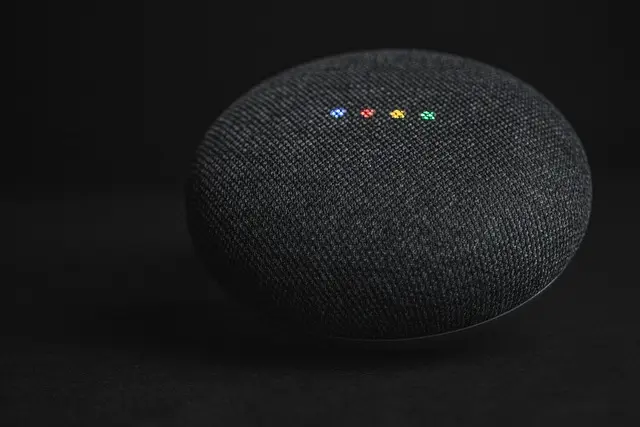
When choosing a smart device, connectivity is one of the primary features of smart devices to consider. Most smart devices rely on stable internet access and must be compatible with other smart technologies within your home ecosystem. Wi-Fi, Bluetooth, and Zigbee are popular technologies. For instance, devices like smart speakers often connect to your home network to stream music or facilitate voice control functions.
Consider whether the device can communicate with existing gadgets, like security systems or smart thermostats, to ensure seamless integration. According to UFC-Que Choisir, the average household has an increasing number of interconnected gadgets, making compatibility essential.


2. Security Features
As smart devices become more prevalent, security remains a significant concern. Look for smart devices equipped with robust security features such as encryption, two-factor authentication, and regular software updates. This ensures your personal information remains safe from cyber threats.
Experts recommend researching the manufacturer's track record regarding security vulnerabilities. For example, Les Numériques often test and report on the security features of various devices, so accessing such information can guide your purchase. Furthermore, consider devices with built-in privacy controls that allow you to manage what data is collected and how it's used.
3. User Interface and Ease of Use
The user interface (UI) is pivotal in determining how effectively you can utilise a smart device. A well-designed UI facilitates smooth navigation and interaction with the device’s features. Ideally, devices should offer intuitive controls and clear feedback.
For example, mobile applications that accompany smart devices should be easy to navigate and provide ample support for troubleshooting. Additionally, consider devices that support voice commands or app integrations that enhance functionality. A device that is difficult to operate can be frustrating and may deter frequent use—resulting in underutilisation of its features.
4. Energy Efficiency
One often overlooked feature is energy efficiency. Smart devices should not only make life easier but also help conserve energy and reduce costs. Look for devices that display energy consumption data and come with eco-friendly settings.
Research indicates that households adopting energy-efficient smart devices can reduce energy bills significantly—by as much as 30% annually. Many smart bulbs, for instance, consume far less electricity than traditional bulbs while offering advanced features like dimming and scheduling. To make informed decisions, refer to studies by ADEME which provide insights on energy-saving smart technologies.
5. Smart Automation Capabilities
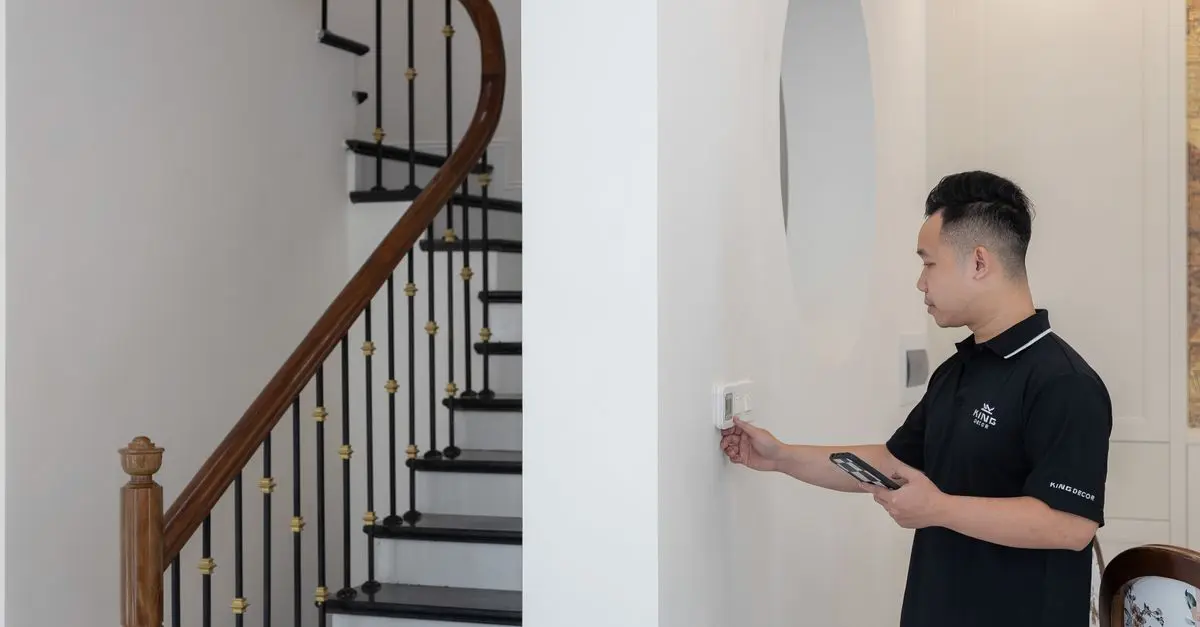
Smart automation is a transformative feature of smart devices that allows users to programme actions based on specific conditions or schedules. For instance, smart thermostats can learn your routine and adjust the temperature accordingly, providing comfort while optimising energy use.
Devices that support automation can create 'scenes' or 'routines' that, when triggered, execute multiple actions across various devices. For example, saying “Goodnight” might turn off lights, lock doors, and lower your heater. This functionality not only simplifies daily tasks but enhances security and energy efficiency—making it a critical consideration when purchasing smart devices.
Comparison Table: Key Features of Smart Devices
| Feature | Importance | Example of Device | Consideration |
|---|---|---|---|
| Connectivity and Compatibility | High | Smart Speaker | Ensure compatible with home network |
| Security Features | Very High | Smart Door Lock | Look for encryption |
| User Interface | Moderate to High | Smart Thermostat | Evaluate ease of use |
| Energy Efficiency | High | Smart Bulbs | Check energy consumption rates |
| Smart Automation | Very High | Smart Hub | Consider programmability |

Lenovo V14 G4 ABP AMD Ryzen 5 7430U Laptop 14" 8GB RAM 512 GB SSD Windows 11 Home Laptop
box.co.uk


📺 Ressource Vidéo
> 📺 Pour aller plus loin : Découvrez les meilleures caractéristiques des dispositifs intelligents, une analyse complète de leurs fonctionnalités. Recherchez sur YouTube : best smart device features 2026.
Glossaire
| Terme | Définition |
|---|---|
| IoT (Internet of Things) | Réseau d'appareils physiques interconnectés qui échangent des données. |
| Interopérabilité | Capacité d'un système à fonctionner avec d'autres systèmes sans restrictions. |
| Automatisation | Utilisation de technologies pour exécuter des tâches avec un minimum d'intervention humaine. |
Checklist avant achat
- [ ] Vérifier la compatibilité avec les dispositifs existants
- [ ] Contrôler les fonctionnalités de sécurité
- [ ] Tester l'interface utilisateur et l'application mobile
- [ ] Comparer les options d'économie d'énergie
- [ ] Explorer les possibilités d'automatisation
📺 Pour aller plus loin : best smart device features 2026 sur YouTube
Recommended products
Selected by our experts

StarTech.com 4-Bay USB to SATA Hard Drive Docking Station, USB 10Gbps, External 2.5" & 3.5" SSD
Back to the Office

StarTech.com USB4 to Ethernet Adapter, 10GbE, Multi-Gigabit, Thunderbolt Compatible, 10GBASE-T/5G/2.5G NIC, 10G Ethernet Adapter, 0.5m USB4 Cable,
Back to the Office