Contents (10 sections)
Smart home technology has transformed the way we interact with our living spaces. With an increasing number of features smart home devices offer, it’s vital to understand what to look for when selecting the best options for your needs. This article outlines the top five features that can significantly enhance your smart home experience.
1. Integration with Smart Assistants
The first feature to consider is the compatibility of smart home devices with leading smart assistants such as Amazon Alexa, Google Assistant, and Apple HomeKit. The ability to control multiple devices through one interface not only simplifies the user experience but also enhances functionality.
For instance, a home equipped with smart lights, thermostats, and security cameras can be centrally controlled via voice commands. According to a recent survey, about 70% of users report that the integration of devices with voice assistants improves their overall satisfaction with smart technology. Additionally, seamless integration can also lead to energy savings — a major plus in today’s environmentally conscious world.
2. Robust Security Features
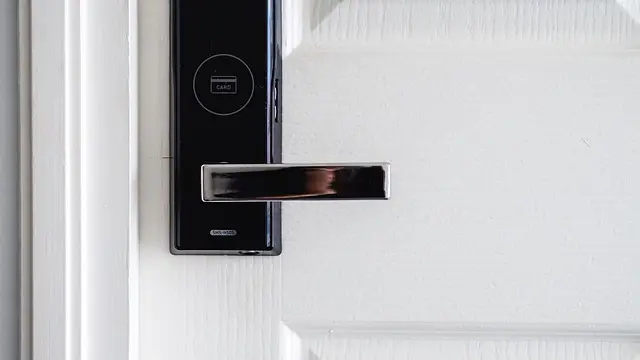
Given the increasing concerns regarding privacy and data breaches in the age of IoT, robust security features are essential when selecting smart home devices. Look for devices that offer end-to-end encryption, multi-factor authentication, and automatic firmware updates.
For example, a smart security camera that supports two-factor authentication can significantly reduce the risk of unauthorised access. According to UFC-Que Choisir, 43% of smart home users have encountered security issues, highlighting the need for devices that prioritise user safety. Moreover, devices with a clear privacy policy and user-friendly data management settings can further enhance peace of mind.


3. User-Friendly Interface
A user-friendly interface is crucial for anyone, especially for those who may not be tech-savvy. The best devices feature intuitive apps and straightforward controls that allow users to navigate settings easily. For example, a smart thermostat that allows you to programme schedules and adjust temperatures with just a few taps on your smartphone can enhance user experience drastically.
In addition, many manufacturers now offer tutorials and support through their apps, which can significantly reduce the learning curve associated with new technologies. This focus on user experience reflects the broader trend toward making smart technology accessible for all.
4. Energy Efficiency
As energy costs continue to rise, energy efficiency has become a significant consideration for smart home devices. Many modern devices come with innovative features that help monitor and optimise energy consumption.
For instance, smart plugs and thermostats can analyse your energy usage patterns and suggest ways to save on your bills. According to an analysis by Les Numériques, using smart home technology can result in energy savings of up to 30% over time. This feature not only benefits the environment but may also pay for the device over time,
proving that they are a wise investment for the eco-conscious homeowner.
5. Customisation and Automation Options
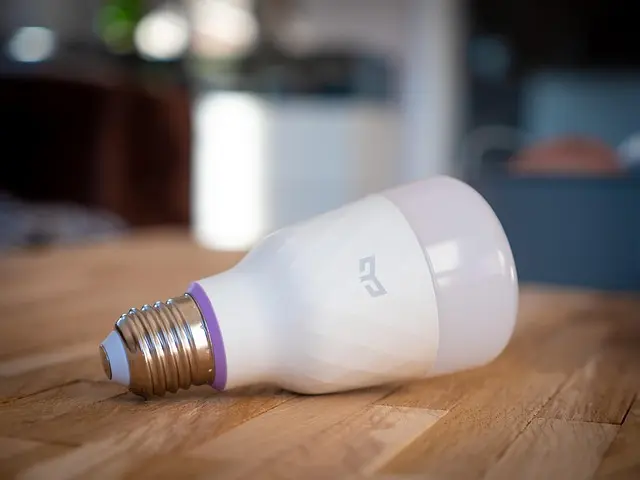
Lastly, the capacity for customisation and automation is a leading feature in smart home devices. The ability to create personalised routines, such as setting lights to dim at a particular time or adjusting the thermostat based on occupancy, can enhance convenience and efficiency.
For instance, frameworks like IFTTT (If This Then That) allow users to set specific triggers and actions across various devices, making integration more robust. Automating these processes not only enhances day-to-day living but also allows for energy savings and a more comfortable home environment.
Features Comparison Table
| Features | Smart Device A | Smart Device B | Verdict |
|---|---|---|---|
| Integration with Assistants | Yes | Yes | Both are compatible |
| Security Features | 2FA, Encryption | Basic Security | Device A wins |
| User-Friendly Interface | High | Medium | Device A wins |
| Energy Efficiency | Yes, Smart Energy Monitoring | No | Device A wins |
| Customisation Options | Extensive | Limited | Device A wins |
📺 Resource Video
> 📺 For deeper insights: Explore the features of smart home technology and how to choose the best devices. Search YouTube for: best smart home devices 2026.

Lenovo V14 G4 ABP AMD Ryzen 5 7430U Laptop 14" 8GB RAM 512 GB SSD Windows 11 Home Laptop
box.co.uk

StarTech.com USB4 to Ethernet Adapter, 10GbE, Multi-Gigabit, Thunderbolt Compatible, 10GBASE-T/5G/2.5G NIC, 10G Ethernet Adapter, 0.5m USB4 Cable,
Back to the Office

Glossary
| Terme | Définition |
|---|---|
| IoT (Internet of Things) | Réseau d'objets physiques intégrant des capteurs et économies. |
| 2FA (Two-Factor Authentication) | Méthode de protection nécessitant deux informations distinctes. |
| Smart Automation | Technologie permettant la configuration de scénarios automatisés. |
Checklist avant achat
- [ ] Vérifier l'intégration avec les assistants intelligents
- [ ] Contrôler les fonctionnalités de sécurité
- [ ] Tester l'interface utilisateur pour la convivialité
- [ ] Analyser l'efficacité énergétique
- [ ] Explorer les options de personnalisation et d'automatisation
In conclusion, choosing the right smart home devices involves careful consideration of various features. By prioritising integration, security, usability, energy efficiency, and customisation, you can create a smart home that not only meets your needs but also enhances your lifestyle. Explore our recommendations below to equip your home with the best devices available!
📺 Pour aller plus loin : best smart home devices 2026 sur YouTube
Recommended products
Selected by our experts