Contents (18 sections)
Smart home technology has transcended from being a mere novelty to a cornerstone of contemporary living. In 2026, various advancements in this sector promise to enhance both convenience and sustainability for consumers. Understanding these innovations is crucial for making informed purchasing decisions and embracing a smarter lifestyle.
What is Smart Home Technology?
Smart home technology refers to devices and systems that improve the efficiency and intelligence of household tasks through automation and remote control. This encompasses everything from smart lighting and thermostats to security cameras and smart appliances. According to Gartner, the global smart home market is expected to reach £150 billion by 2026, indicating a robust growth trajectory. The integration of Internet of Things (IoT) technology allows appliances and systems to communicate and work together harmoniously, resulting in better energy management, enhanced security, and overall increased convenience for users. The rise of AI-driven solutions further propels this technology forward, providing users with tailored experiences based on their preferences and behaviours.
Key Innovations in Smart Home Technology
1. AI-Enhanced Personal Assistants
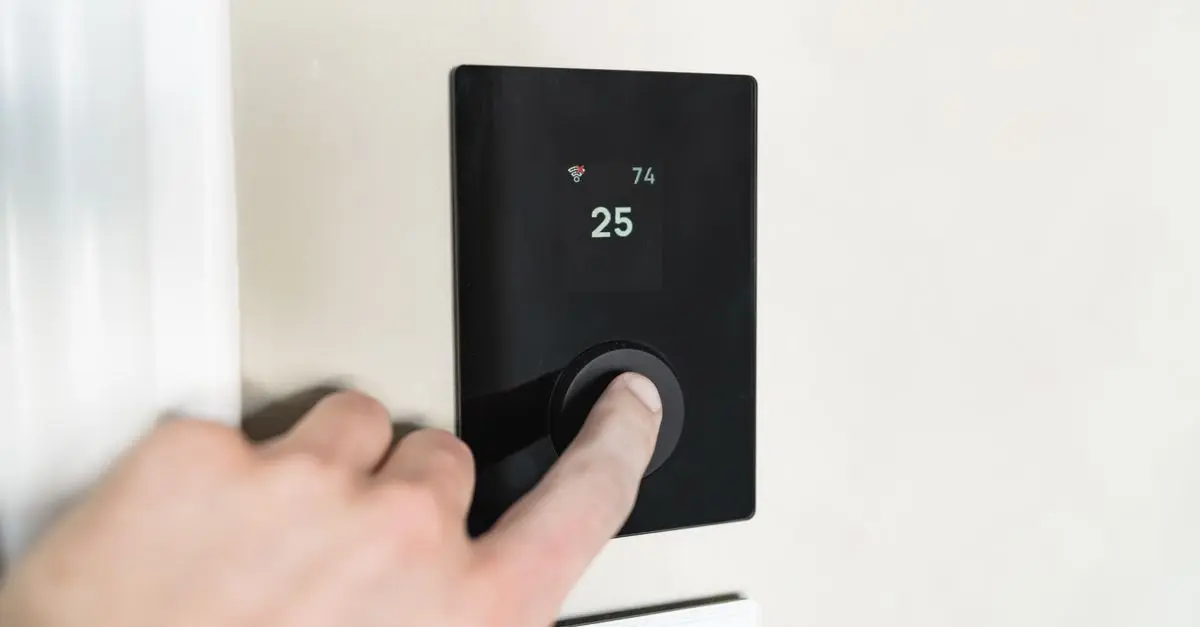
One of the most significant advancements in smart home technology is the evolution of artificial intelligence (AI) in personal assistants. In 2026, AI assistants are not just limited to voice commands but can now learn user habits, predict needs, and automate tasks based on those insights. For instance, AI can adjust home heating automatically when it detects that no one is home, reducing energy consumption significantly. This innovation enhances comfort for users while contributing to sustainability.
💡 Expert Opinion: According to Forbes, smart assistants capable of predictive learning can improve home energy efficiency by up to 25%.
2. Integration of Renewable Energy Sources
As environmental consciousness rises, the integration of renewable energy sources into smart home systems is crucial. By 2026, homes increasingly rely on solar panels and other renewable sources that work in tandem with smart home technology to optimise energy consumption. Smart energy management systems can monitor energy production and usage, shifting energy loads to times when renewable energy is most abundant. This not only lowers energy bills but also enhances the sustainability of the home.
3. Advanced Security Systems
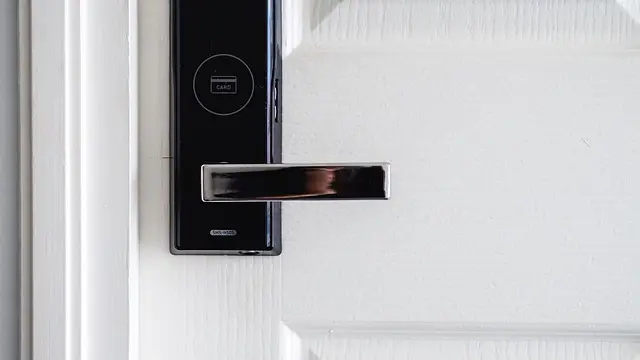
Security remains a primary concern for homeowners. The latest innovations incorporate smart locks, doorbell cameras, and integrated surveillance systems that provide remote monitoring and alerts. In 2026, the use of biometrics combined with AI algorithms makes home security measures more reliable and user-friendly. For example, facial recognition technology can identify family members while alerting homeowners to unknown persons. Moreover, these systems can be switched to 'privacy modes' where cameras are disabled when residents are home, respecting privacy while maintaining security.
4. Smart Appliances with IoT Capabilities
Smart appliances have undergone revolutionary changes, significantly impacting how individuals interact with their kitchens. In 2026, appliances such as refrigerators, ovens, and washing machines not only communicate with each other but also with users through mobile apps. For example, a smart oven can preheat itself based on a recipe selected on a tablet or smartphone. Furthermore, smart fridges can track inventory and suggest recipes based on available ingredients, thereby reducing food waste by more than 30%, as reported by ReFed.
5. Enhanced Connectivity with 5G and Wi-Fi 7
The rollout of 5G technology and advancements in Wi-Fi 7 connectivity in 2026 provide smart home devices with faster and more reliable internet connections. This enables seamless operation of multiple devices simultaneously, reducing lag and enhancing the overall user experience. Reliable connectivity is especially crucial for applications involving security and emergency alerts, where timing can be critical.
6. Focus on User Privacy and Security
As smart home devices proliferate, concerns regarding data privacy have come to the forefront. Innovations in smart home technology are placing significant emphasis on user data security. Encrypted systems and blockchain technology are becoming standard, ensuring that personal information remains safe from breaches. Consumers are now more aware of the data they share and demand transparency about how their information is used and stored. This trend is vital for building trust between users and manufacturers.


Comparative Analysis of Smart Home Technologies
| Feature | AI Personal Assistants | Smart Appliances | Security Systems | Renewable Integration |
|---|---|---|---|---|
| User Interaction | Voice Commands | App-controlled | Biometric Access | Automated Optimization |
| Energy Efficiency | High | Improves over time | Energy Monitoring | Significant Reduction |
| Learning Capability | Yes | Yes | Some | Advanced Matching |
| Privacy Measures | Encrypted | Privacy Settings | Encrypted Data | User Control |
| Market Growth | Rapid | Steady | Steady | Emerging |
Frequently Asked Questions
What are the benefits of smart home technology?
Smart home technology enhances convenience, improves energy efficiency, and increases security within households, ultimately providing a better living experience.
How secure are smart home devices?
While risks exist, many modern devices incorporate advanced security measures such as encryption and biometric identification to ensure user safety and privacy.
Can smart home technology help reduce my energy bills?
Yes, by optimising energy use and integrating renewable energy sources, smart home technology can significantly lower energy bills.
Is it easy to set up smart devices?
Most devices come with user-friendly integration options, and many can be set up via mobile applications in a matter of minutes.
Glossary
| Terme | Définition |
|---|---|
| IoT (Internet of Things) | Réseau d'appareils connectés permettant d'échanger des données et d'automatiser des tâches. |
| AI (Artificial Intelligence) | Système capable d'effectuer des tâches nécessitant une intelligence humaine, comme la prise de décision. |
| Biometric Security | Méthodes de sécurité utilisant des caractéristiques physiques pour identifier les utilisateurs. |
Checklist avant achat
- [ ] Vérifier les caractéristiques de sécurité
- [ ] Comparer l'efficacité énergétique
- [ ] Examiner l'intégration avec d'autres dispositifs
- [ ] Analyser la facilité de configuration
- [ ] Rechercher des avis d'experts et de consommateurs

StarTech.com USB4 to Ethernet Adapter, 10GbE, Multi-Gigabit, Thunderbolt Compatible, 10GBASE-T/5G/2.5G NIC, 10G Ethernet Adapter, 0.5m USB4 Cable,
Back to the Office


📺 Ressource Vidéo
> 📺 Pour aller plus loin : Une analyse complète des dernières avancées en technologie de maison intelligente, recherchez sur YouTube : smart home technology innovations 2026.
En conclusion, avoir une maison intelligente ne se limite plus à la commodité, c'est aussi un pas vers une vie plus durable et sécurisée. Les innovations constantes offrent aux consommateurs la possibilité de transformer leur maison en un espace intelligent. Pour ceux qui envisagent d'installer ou de mettre à jour leur technologie de maison intelligente, nous avons sélectionné plusieurs produits adaptés. N'attendez plus pour découvrir ce que la technologie de maison intelligente peut faire pour vous !
📺 Pour aller plus loin : smart home technology innovations 2026 sur YouTube
Recommended products
Selected by our experts