Contents (15 sections)
Smart home devices are becoming increasingly popular as more people strive to create a convenient lifestyle at home. With countless options available on the market, choosing the right smart home devices can be a daunting task. In this guide, we’ll take you through the essential considerations to help you make informed decisions when selecting smart home devices tailored to your individual needs.
1. Understand Your Needs
Before diving into the world of smart home devices, it’s crucial to identify your specific needs and what you aim to achieve through automation. Do you want to enhance security, improve energy efficiency, or increase comfort? Each of these areas has distinct devices designed to serve specific purposes. For instance, if security is your priority, smart locks and cameras are vital. However, if energy efficiency is your goal, consider smart thermostats and smart bulbs. Conducting a thorough assessment of your lifestyle and home environment will provide clarity on which devices are necessary.
2. Research Compatibility and Ecosystems
Once you have a clear idea of your needs, research the compatibility of the devices with your existing home ecosystem. Not all smart devices work seamlessly together. For instance, if you’re using Amazon Alexa, you must ensure the devices you’re considering are compatible. Similarly, Google Home and Apple HomeKit have their own ecosystems. According to UFC-Que Choisir, users often experience frustration with devices that don't integrate well. Therefore, verifying compatibility early can save you time, money, and headaches down the line.
3. Set a Budget
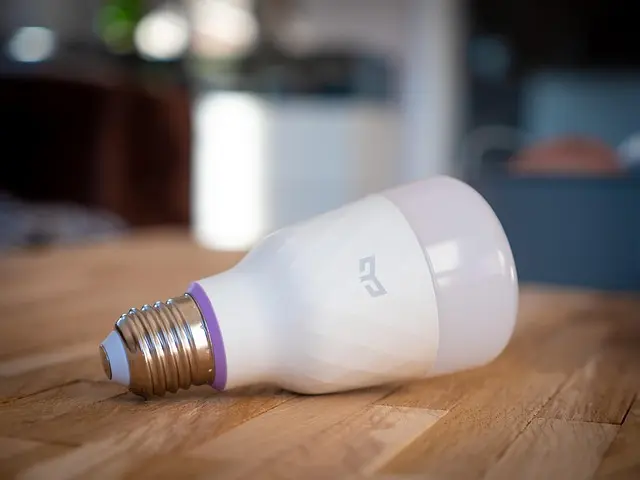
Smart home devices come with a wide range of prices, so it's essential to set a budget before making decisions. Spend some time considering how much you're willing to invest in your smart home setup. High-quality devices often come at a premium, but they tend to provide better performance and longevity. For example, while cheaper smart light bulbs might save you money upfront, investing in trusted brands could mean less hassle and better integration in the long run. Making your choices within a defined budget prevents overspending and helps you focus on the most critical devices for your needs.
4. Evaluate Features and Specifications
When choosing smart home devices, it’s crucial to evaluate the features and specifications of each option. Consider factors such as ease of use, setup complexity, remote control capabilities, and additional features like voice assistance. For instance, devices with companion apps may offer advanced functionalities such as scheduling, custom alerts, and energy monitoring. A device may seem attractive based on price alone, but understanding its unique features and potential drawbacks will empower you to make a more informed decision.
5. Read Reviews and Seek Recommendations
User reviews can be an invaluable resource when selecting smart home devices. They provide insights into real-world performance and user satisfaction. According to feedback collected from various user forums, some devices consistently outperform their competitors, while others may have hidden flaws. Therefore, look for expert reviews from reputable sources, such as Les Numériques, and make sure to pay attention to comments from individuals who have had hands-on experience with the product. Understanding the common praises and complaints will ensure you’re aware before making a purchase.
6. Plan for Future Expansion
Smart homes are dynamic, and as technology evolves, so do user needs. When choosing devices, consider how easily you can expand your system in the future. Opt for devices that can grow with you, allowing for additional sensors or functionalities as your requirements change. For example, if you start with basic lighting control, ensure that your chosen system is compatible with new devices like smart blinds or additional security components. This kind of forward-thinking can save you time and cost when upgrading or expanding your smart home ecosystem.


TP-Link RE705X network extender Network transmitter & receiver White
Back to the Office

Comparison Table of Smart Home Devices Criteria
| Feature/Device | Smart Thermostat | Smart Locks | Smart Cameras | Smart Bulbs |
|---|---|---|---|---|
| Compatibility | High | Medium | High | High |
| Price Range | Medium | High | Medium | Low to Medium |
| Installation Ease | Easy | Moderate | Easy | Very Easy |
| Customisation | High | Medium | High | High |
| Future Scalability | High | High | Medium | Medium |
What are smart home devices?
Smart home devices are tech gadgets that automate tasks within your home, enabling remote control and effective monitoring of various aspects of your living space. Examples include smart lights, thermostats, locks, and cameras.
How do I choose the right smart home devices?
Begin by assessing your needs, researching compatibility, setting a budget, evaluating features, reading reviews, and planning for future expansion.
Are smart home devices expensive?
The cost of smart home devices can vary widely, with options available at various price points. It’s essential to strike a balance between quality and affordability.
Can I install smart home devices myself?
Many smart home devices are designed for easy installation and can typically be set up without professional help. However, some may require basic wiring skills.
Glossary
| Terme | Définition |
|---|---|
| Smart Home | Un domicile équipé de dispositifs permettant d'automatiser et de gérer les appareils domestiques. |
| Ecosystem | Ensemble de dispositifs compatibles qui fonctionnent ensemble pour offrir une expérience unifiée. |
| IoT (Internet of Things) | Réseau d'objets physiques connectés à Internet, capables d'échanger des données entre eux. |
Checklist avant achat
- [ ] Définir mes besoins en matière de maison intelligente
- [ ] Vérifier la compatibilité des appareils
- [ ] Établir un budget
- [ ] Évaluer les fonctionnalités et les spécifications
- [ ] Lire les avis et recommander des produits
- [ ] Planifier pour l'expansion future
💡 Avis d'expert : Il est essentiel d’investir dans des marques réputées pour éviter des pannes fréquentes et s'assurer d'une bonne compatibilité.
🧠 Quiz rapide : Quel est l'avantage principal des appareils domestiques intelligents ?
- A) Économie de temps
- B) Apparence supplémentaire
- C) Réduction de l'empreinte carbone
Réponse : A — Les appareils intelligents permettent d'automatiser des tâches, faisant gagner du temps au quotidien.
📺 Pour aller plus loin :* Découvrez nos conseils sur les dernières innovations en matière de domotique et leurs avantages. Recherchez sur YouTube : "choisir des appareils de maison intelligente 2026".
📺 Pour aller plus loin : how to choose smart home devices 2026 sur YouTube


Recommended products
Selected by our experts