Contents (18 sections)
Smart home devices are increasingly at the forefront of technology, transforming our living spaces into more efficient, convenient, and enjoyable environments. Understanding what these devices can do and selecting the right ones for your needs is essential for maximising their benefits. This guide aims to equip you with everything you need to make an informed choice about smart home devices.
1. Understanding Smart Home Devices
Before diving into the selection process, it's imperative to grasp what smart home devices entail. These devices are electronic gadgets that connect to a user's home network via Wi-Fi or Bluetooth, allowing for automation and remote control. They range from smart speakers and lights to smart thermostats and security cameras. According to Statista, the smart home market was valued at approximately £75 billion in 2026 and is projected to grow significantly as more people recognise the benefits of automation and energy efficiency.
Why Choose Smart Home Devices?
Integrating smart devices into your home can lead to increased security, energy efficiency, and convenience. Users can monitor their homes remotely, set schedules, and even control their devices with voice commands or through smartphone apps. Moreover, smart devices can learn user preferences, optimising performance based on your lifestyle. For instance, a smart thermostat can adjust the temperature when it detects that no one is home, saving energy and money.
2. Identify Your Needs
Step 1: Evaluate Your Lifestyle
The first step in choosing the best smart home devices for your needs is to evaluate your lifestyle. Here are some questions to consider:
- What are your primary concerns? Security, convenience, energy efficiency?
- How technologically savvy are you? Are you comfortable with apps and devices?
- What is your budget? This will greatly influence your options.
By identifying these aspects, you can create a targeted list of what features or types of devices will be most beneficial for you. For example, a busy professional might favour smart devices that enhance convenience, like smart lighting or plugs that can be controlled remotely, whilst a family with children may prioritise safety and security features such as smart locks and cameras.
Step 2: Research Types of Devices
Once you've established your priorities, research the types of devices available. Consider the following categories:
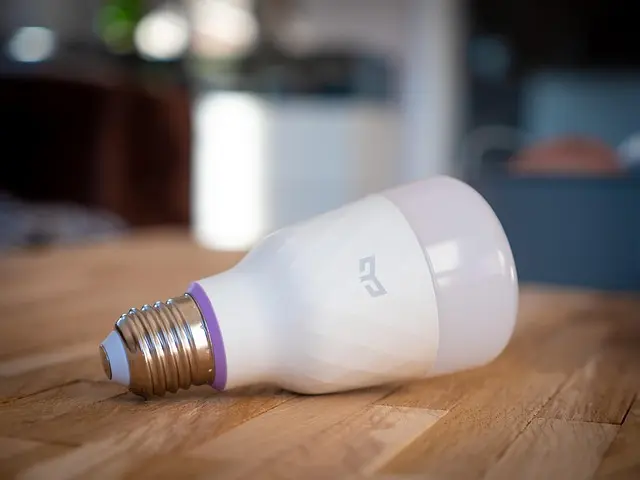
- Smart Lighting: These can be adjusted for brightness and colour. Some can even be scheduled to turn on or off at specific times.
- Smart Thermostats: These devices learn your temperature preferences and adjust heating and cooling automatically, which can save on energy bills.
- Smart Security Systems: Cameras and alarms that can be monitored via smartphone offer excellent peace of mind.
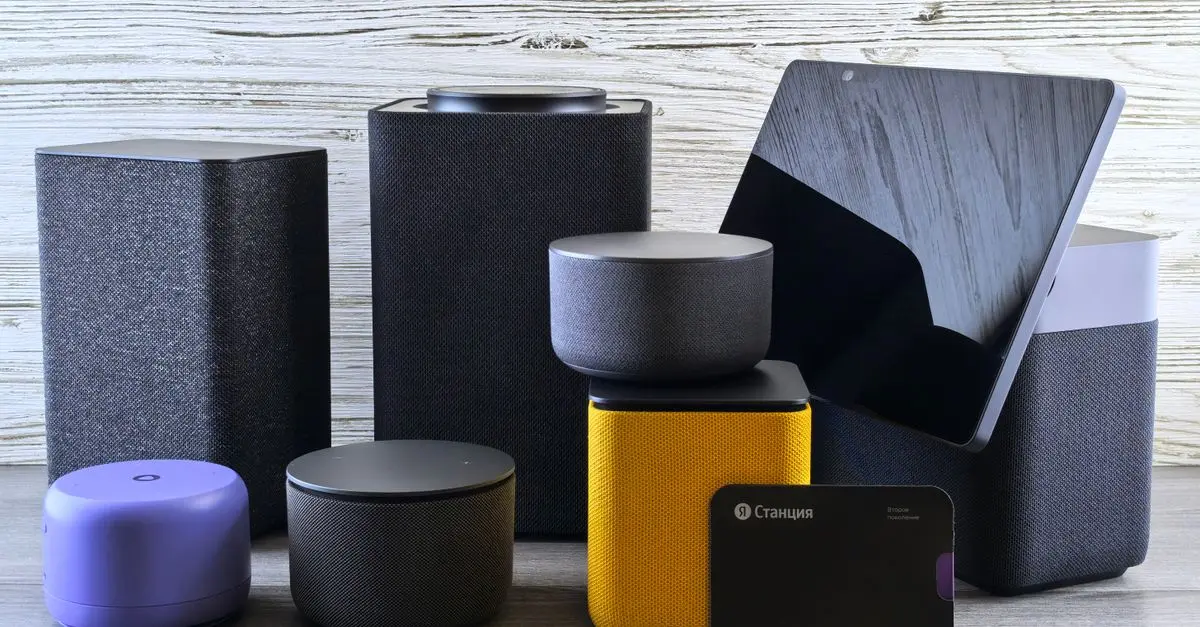
- Voice Assistants: Devices like smart speakers centralise control of your other smart devices through voice commands.


3. Compatibility with Home Systems
When choosing smart home devices, compatibility is crucial. Not all devices communicate with each other or with existing systems in your home. For instance, if you have a Samsung smart television, you may want to consider other Samsung smart devices that can seamlessly integrate with the TV and with each other.
System Compatibility
Most smart home devices operate on specific ecosystems—Amazon Alexa, Google Assistant, or Apple HomeKit. Always check whether the device you wish to purchase is compatible with your preferred system. This step ensures that you can effortlessly control all devices from one platform.
4. Read Reviews and Seek Recommendations
Before making a purchase, it’s advisable to read reviews and seek recommendations on devices you’re considering. Websites like UFC-Que Choisir and Les Numériques provide insightful analyses, comparisons, and user feedback on various devices. Pay attention to common themes in reviews, such as user experience, reliability, and any reported issues.
Why Are Reviews Important?
Reading user experiences can guide you in avoiding devices that frequently malfunction or have steep learning curves. A product may appear ideal on paper, but if multiple users report significant challenges with usability or integration, it may be best to steer clear.
5. Budget Considerations
Set a Realistic Budget
Budgeting is vital when selecting smart home devices. While smart technology can often lead to long-term savings through improved energy efficiency, the initial costs can vary significantly.
- Entry-Level Devices: These may provide basic functionalities at a lower price, suitable for someone testing the waters of smart devices.
- High-End Devices: Advanced features, intricate integrations, and enhanced functionalities are typically found in higher-priced models.
A balanced budget over your purchase period can prevent overspending and ensure you can afford the maintenance or additional features that your smart home may require later on.
6. Installation and Set-Up
DIY vs Professional Installation
Consider whether you wish to set up your devices yourself or hire professionals. Many smart home devices are designed for easy DIY installations with clear instructions and user-friendly interfaces. However, complex systems, particularly those involving security or comprehensive automation setups, may benefit from professional installation.
Also, check if the manufacturers provide customer support for installation queries, which can help resolve any potential setup issues.


Lenovo V14 G4 ABP AMD Ryzen 5 7430U Laptop 14" 8GB RAM 512 GB SSD Windows 11 Home Laptop
box.co.uk

7. Evaluate After-Purchase Support
Customer Service Relevance
Once you've made your purchase, evaluating the customer support and warranty provided by the manufacturer can save you future headaches. A reliable customer service team can assist with troubleshooting problems and offer solutions if devices malfunction. Always review the warranty details to understand the duration and coverage of your products.
8. Final Selection and Purchase
By following the previous steps, you should have a clearer idea of the smart home devices that fit your lifestyle and needs. Aim to select devices that align with your budget and are from reputable brands known for quality and reliability. This will provide you with a solid foundation for your smart home experience.
💡 Expert Opinion: Investing in well-reviewed and widely recommended devices often yields better long-term satisfaction and reduces the likelihood of compatibility issues.
Checklist before Purchase
- [ ] Assess your lifestyle and needs
- [ ] Research device types and functions
- [ ] Ensure compatibility with existing systems
- [ ] Read user reviews and expert analyses
- [ ] Set a clear budget
- [ ] Consider installation preferences
- [ ] Check for after-purchase support
📺 Ressource Vidéo
For a deeper dive, watch [Best Smart Home Devices of 2026], a comprehensive overview of market options. Search on YouTube: top smart home devices 2026.
Glossaire
| Terme | Définition |
|---|---|
| Smart Home | Describes a home that is equipped with technology to automate and control systems and appliances. |
| IoT (Internet of Things) | Network of interconnected devices that communicate and share data over the internet. |
| Automation | The use of technology to perform tasks without human intervention. |
---
📺 Pour aller plus loin : best smart home devices 2026 sur YouTube
Recommended products
Selected by our experts

Smart app wifi Infrared ir remote control air conditioner home devices universal remote controller
Alibaba UK

StarTech.com USB4 to Ethernet Adapter, 10GbE, Multi-Gigabit, Thunderbolt Compatible, 10GBASE-T/5G/2.5G NIC, 10G Ethernet Adapter, 0.5m USB4 Cable,
Back to the Office