Contents (10 sections)
As technology evolves, smart home devices have become integral to modern living. They not only offer convenience but also ensure your home is more energy-efficient and secure. However, selecting the best smart home devices tailored to your individual needs can be daunting, especially with the abundance of options available. In this comprehensive guide, we'll walk you through essential tips and considerations to help you make informed decisions.
1. Assess Your Needs and Lifestyle
Before diving into the world of smart home technology, it's crucial to first assess your specific needs and lifestyle. Consider the following factors:
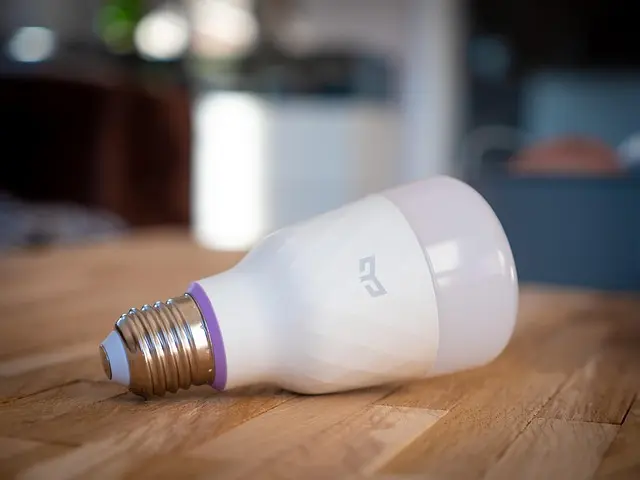
- Daily Routine: Identify areas in your daily life where automation could save time or enhance convenience. For instance, do you often forget to turn off the lights? Smart bulbs could be a great addition.
- Family Dynamics: If you have children or pets, choose devices that cater to their safety and management. Smart cameras and home monitoring systems can help keep an eye on your little ones and furry friends.
- Budget: Determine how much you're willing to invest in smart technology. While some devices may offer extensive features, they might not fit your budget. Set a clear budget to streamline your choices.
By evaluating these aspects, you can narrow down the types of devices that will genuinely improve your home life.
2. Research Available Options
Once you have a clear idea of your requirements, begin researching the available options. This means looking into various brands, features, and specifications. Here are some tips for effective research:
- Read User Reviews: Input from actual users can provide insight into the practicality and reliability of the devices you are considering. Look for products with consistently positive reviews.
- Comparison Websites: Use platforms that allow you to compare specifications, prices, and user feedback. Sites like UFC-Que Choisir provide valuable insights into various smart home products available in the market.
- Check Compatibility: Ensure that the devices you are interested in are compatible with your existing smart home ecosystem (e.g., Alexa, Google Assistant). This can save you from compatibility headaches down the line.
By leaving no stone unturned, you can assure yourself that you’re making well-informed choices.


Samsung Galaxy S26 Ultra 17.5 cm (6.9") Dual SIM Android 16.0 5G USB Type-C 12 GB 512 GB 5000 mAh Black
Back to the Office
3. Evaluate Features and Specifications
Every smart device comes with a unique set of features. Understanding what each feature offers and how it aligns with your needs is essential in this selection process. Here are some common features to consider:
- Connectivity: Look for devices that offer multiple connectivity options such as Wi-Fi, Bluetooth, and Zigbee. Devices compatible with several protocols will be more flexible to integrate.
- Ease of Use: The user interface should be intuitive. Complicated apps can lead to frustration, especially for those new to smart technology.
- Energy Efficiency: Consider devices that are energy-efficient to save on bills in the long term. Smart thermostats, for example, can adjust heating and cooling automatically, optimizing energy usage.
A thorough evaluation of features can ensure you invest in devices that truly enhance your living experience, rather than complicate it.
4. Compare Models and Brands
The market for smart home devices is evolving rapidly, leading to many brands offering similar products. Comparing different models can help you discern which is best suited for your situation.
| Feature | Model A | Model B | Model C | Verdict |
|---|---|---|---|---|
| Smart Assistant | Yes | Yes | No | Both A & B are viable |
| Energy Rating | A+ | A | B | Model A is better here |
| Price | £200 | £250 | £180 | Model C is the cheapest |
| User Ratings | 4.5 stars | 4 stars | 3.5 stars | Model A leads in ratings |
5. Consider Future Expandability
When investing in smart home technology, you should consider the future. Smart home systems are not static; they evolve and expand. Choose devices that can evolve with your needs. Here are some tips for future-proofing:
- Modular Systems: Opt for compatible products that allow for upgrades or additional devices in the future. For instance, if you start with smart lighting, you might later want to add smart security systems or smart locks.
- Software Updates: Ensure the brand you choose is committed to providing regular software updates for security and functionality improvements.
- Community Support: Devices that have a robust online community can offer support and constant feedback for improvements or troubleshooting.
By selecting devices with scalability in mind, you are investing in a more sustainable and long-lasting smart home ecosystem.
Checklist before Buying
- [ ] Assess your smart home needs and lifestyle.
- [ ] Research various device options and brands.
- [ ] Evaluate the specific features of each device.
- [ ] Compare models to identify the best fit.
- [ ] Consider future expandability and compatibility.
💡 Expert Tip: Always read user reviews and check warranty options to ensure your device is reliable and supported.

Samsung Galaxy S26 16 cm (6.3") Dual SIM Android 16.0 5G USB Type-C 12 GB 256 GB 4300 mAh Blue
Back to the Office

Samsung Galaxy S26 16 cm (6.3") Dual SIM Android 16.0 5G USB Type-C 12 GB 512 GB 4300 mAh Blue
Back to the Office

Samsung Galaxy S26 16 cm (6.3") Dual SIM Android 16.0 5G USB Type-C 12 GB 256 GB 4300 mAh Black
Back to the Office
📺 Resource Vidéo
> 📺 For further exploration: How to Choose Smart Home Devices provides insights and tips to simplify your decisions. Search on YouTube for: how to choose smart home devices 2026.
Glossaire
| Terme | Définition |
|---|---|
| Smart Home | Un environnement domestique où des dispositifs connectés améliorent la vie quotidienne par l'automatisation. |
| IoT (Internet of Things) | Réseau d'objets physiques connectés, permettant la collecte et l'échange de données. |
| Interopérabilité | La capacité d'un appareil à fonctionner avec d'autres systèmes et dispositifs différents. |
Adopting smart home devices can significantly enhance your living experience. Our curated selection of recommended products aligns with various needs — discover our suggestions below for tailored options that can transform your space into a smart haven!
Recommended Products
- Samsung Galaxy S25 FE: This device integrates well with smart home systems, offering an optimal level of control and connectivity.
- Samsung 32" M70D UHD Smart Monitor: Ideal for streaming and viewing smart home feeds, enhancing the overall experience.
- Samsung Galaxy S26 Ultra 5G: This phone is an excellent choice for managing your smart devices while on the go.
Investing in the right smart home devices can lead to a more efficient, comfortable, and secure living environment. Don't hesitate to start your journey into smart technology today!
📺 Pour aller plus loin : how to choose smart home devices 2026 sur YouTube
Recommended products
Selected by our experts

Samsung Galaxy S26 16 cm (6.3") Dual SIM Android 16.0 5G USB Type-C 12 GB 256 GB 4300 mAh Violet
Back to the Office

Samsung Galaxy S26 16 cm (6.3") Dual SIM Android 16.0 5G USB Type-C 12 GB 512 GB 4300 mAh Black
Back to the Office

Samsung Galaxy S26+ 17 cm (6.7") Dual SIM Android 16.0 5G USB Type-C 12 GB 256 GB 4900 mAh Blue
Back to the Office

Samsung Galaxy S26+ 17 cm (6.7") Dual SIM Android 16.0 5G USB Type-C 12 GB 256 GB 4900 mAh White
Back to the Office

Samsung Galaxy S26 Ultra 17.5 cm (6.9") Dual SIM Android 16.0 5G USB Type-C 12 GB 256 GB 5000 mAh Violet
Back to the Office

Samsung Galaxy S26 16 cm (6.3") Dual SIM Android 16.0 5G USB Type-C 12 GB 512 GB 4300 mAh White
Back to the Office