Contents (10 sections)
In today's tech-savvy world, smart home devices have transformed the way we live. From controlling lighting and security systems to managing appliances and entertainment systems, these innovations provide convenience, efficiency, and enhanced lifestyle. However, finding the best smart home devices tailored to your needs can be overwhelming due to the plethora of options available. This article serves as a comprehensive guide to navigate the process of selecting the most suitable devices for your home.
1. Identify Your Needs and Goals
The first step in choosing the best smart home devices is to comprehensively understand your requirements and objectives. Are you looking to enhance security, improve energy efficiency, or simply make your life more comfortable? Begin by listing down specific areas where technology could assist you. For instance:
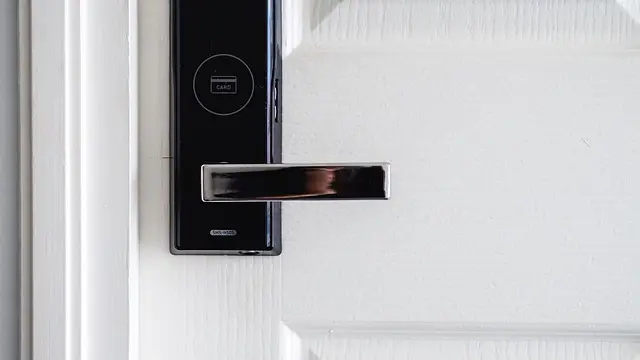
- Security: Consider smart cameras, door locks, or alarm systems.
- Energy Efficiency: Focus on smart thermostats, lighting, and energy monitors.
- Home Comfort: Look into smart speakers, heating systems, or air conditioning.
Conducting a thorough evaluation of your lifestyle will enable you to effectively prioritise your purchases. Identify how many devices you wish to integrate and whether you prefer a comprehensive system or standalone gadgets. Remember, knowing your main drivers will not only streamline your search but also prevent overspending on features you may not utilise.
2. Research Compatibility and Integration
When considering the best smart home devices, compatibility is key. Evaluate whether the gadgets you are interested in can seamlessly integrate with your existing systems. Most devices do work well within their ecosystems, such as Google Home, Amazon Alexa, or Apple HomeKit. Consider the following points:
- Protocol Standards: Different devices communicate using distinct protocols such as Zigbee, Z-Wave, or Wi-Fi. Ensure your chosen devices are compatible with the protocol in your home network.
- Interoperability: It's advisable to select devices that can work together. For instance, a security camera should be able to communicate with smart locks or alarms for a more cohesive system.
- Mobile Apps: Check whether the devices have intuitive apps that enhance control and monitoring capabilities. A user-friendly interface can significantly improve your experience.
Researching compatibility beforehand prevents future issues and enhances the efficiency of your smart home systems, ensuring all components work harmoniously.
3. Evaluate Features and Functionality
With a variety of options at your disposal, evaluating the features and functionalities of smart home devices is crucial. You may want to consider some of the following:
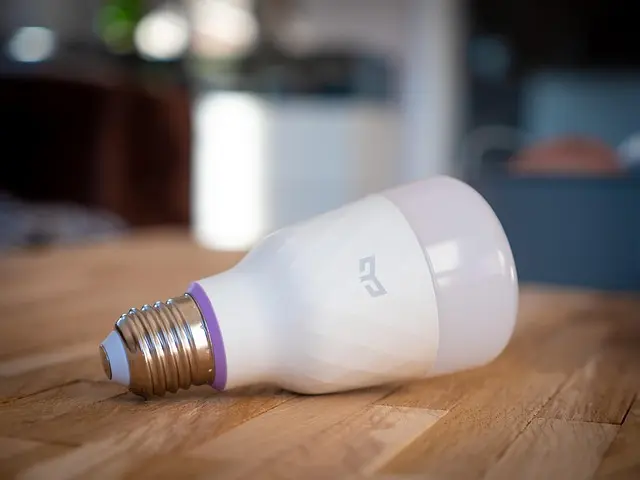
- Automation Capabilities: Look for devices that can be programmed or set to automate tasks based on your routines. A good example is smart lighting that can be controlled remotely or set to adjust automatically at designated times.
- Voice Control: Many devices now offer integration with voice assistants. This feature provides convenience as you can operate your devices without needing your phone.
- Data Privacy and Security: Given the rise of cyber threats, ensure that any smart device you consider has robust security measures in place to protect your data.
It's wise to compare reviews and specifications from reputable sources, as this can provide valuable insights about the practical functionalities of various products. Understanding the long-term benefits these features bring to your home will aid in making informed decisions.
4. Compare Prices and Read Reviews
Price is inevitably a factor when choosing the best smart home devices, but it should not be the sole determining criterion. A more expensive device might offer better long-term value through durability and efficiency. Therefore, consider the following:
- Long-Term Investment: Determine the estimated lifespan and warranty of the devices. Sometimes, investing slightly more initially can pay off in terms of durability and performance.
- User Reviews: Read customer reviews and feedback. Websites such as UFC-Que Choisir and Les Numériques provide evaluations that may highlight common issues and advantages others have experienced.
- Price Comparisons: Use tools and websites that allow you to compare prices across different retailers to ensure you're getting the best deal.
By conducting thorough price comparisons and closely examining user feedback, you can achieve a balance between cost and quality, ensuring that your investment is worthwhile.
5. Consider Future Expansion and Scalability
Investing in smart home technology is often a long-term commitment. When selecting devices, consider their potential for future integration. This includes:
- Scalability: Can the system grow with your needs? For example, if you start with a smart thermostat, can you easily integrate additional devices such as smart lights or security cameras later on?
- Firmware Updates: Will the manufacturer provide ongoing support and updates? Devices that can receive regular firmware updates are more likely to stay compatible with new technology and standards.
- Ecosystem Flexibility: Consider whether you can seamlessly move from one ecosystem to another. Some systems are more rigid than others, restricting your ability to switch out devices without significant hassle.
Planning for the future prevents the need for a complete overhaul of your system down the line, making your investment in smart devices more sustainable.
📺 For further exploration: How to Secure Your Smart Home Devices, a complete analysis of securing your gadgets. Search on YouTube: best smart home device security 2026.
Checklist before Purchase
- [ ] Identify specific needs and objectives.
- [ ] Research compatibility with existing systems.
- [ ] Evaluate features against usage requirements.
- [ ] Compare prices and read independent reviews.
- [ ] Consider future integration and scalability.


Samsung Galaxy S26 16 cm (6.3") Dual SIM Android 16.0 5G USB Type-C 12 GB 256 GB 4300 mAh Blue
Back to the Office
Glossary
| Terme | Définition |
|---|---|
| Automatisation | Processus qui permet de rendre un appareil capable d'effectuer des tâches automatiquement, sans intervention humaine. |
| Interopérabilité | Capacité d'un dispositif à interagir avec d'autres appareils ou systèmes au sein d'une même infrastructure technologique. |
| Protocole | Ensemble de règles définissant la communication entre dispositifs dans un réseau, tel que Zigbee ou Z-Wave. |
---
📺 Pour aller plus loin : best smart home device security 2026 sur YouTube
Recommended products
Selected by our experts

Samsung Galaxy S26 16 cm (6.3") Dual SIM Android 16.0 5G USB Type-C 12 GB 512 GB 4300 mAh Black
Back to the Office

Samsung Galaxy S26+ 17 cm (6.7") Dual SIM Android 16.0 5G USB Type-C 12 GB 256 GB 4900 mAh Blue
Back to the Office

Samsung Galaxy S26+ 17 cm (6.7") Dual SIM Android 16.0 5G USB Type-C 12 GB 256 GB 4900 mAh White
Back to the Office

Samsung Galaxy S26 Ultra 17.5 cm (6.9") Dual SIM Android 16.0 5G USB Type-C 12 GB 512 GB 5000 mAh Black
Back to the Office

Samsung Galaxy S26 Ultra 17.5 cm (6.9") Dual SIM Android 16.0 5G USB Type-C 12 GB 256 GB 5000 mAh Violet
Back to the Office

Samsung Galaxy S26 16 cm (6.3") Dual SIM Android 16.0 5G USB Type-C 12 GB 512 GB 4300 mAh White
Back to the Office