Contents (13 sections)
In today's rapidly changing technological landscape, the rise of smart home devices offers both convenience and efficiency. However, selecting the right devices can be overwhelming. Here are essential tips to help you make informed decisions.
1. Understand Your Needs
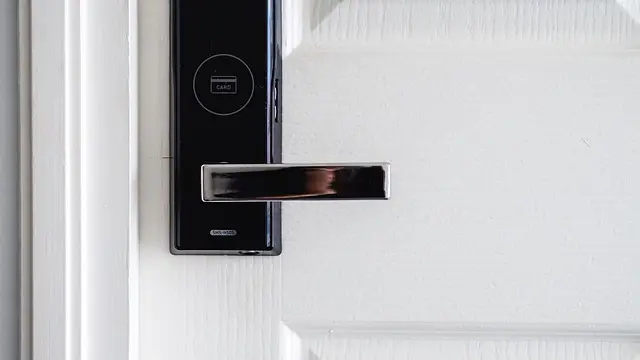
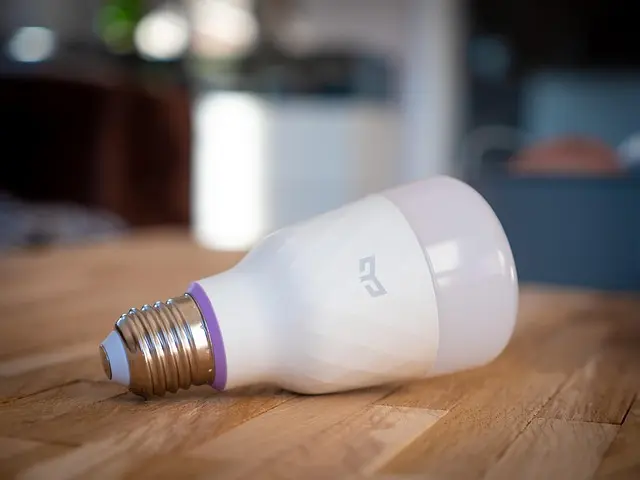
Before diving into the world of smart home devices, take a moment to assess your actual needs. Ask yourself questions like: What tasks do you wish to simplify? Are you looking for security enhancements, energy savings, or convenience in daily routines? For instance, if you travel often, investing in smart security cameras might be beneficial. Alternatively, smart lighting can improve energy efficiency and create a comfortable atmosphere in your home. Understanding your requirements lays a solid foundation for choosing the right devices.
2. Research Compatibility
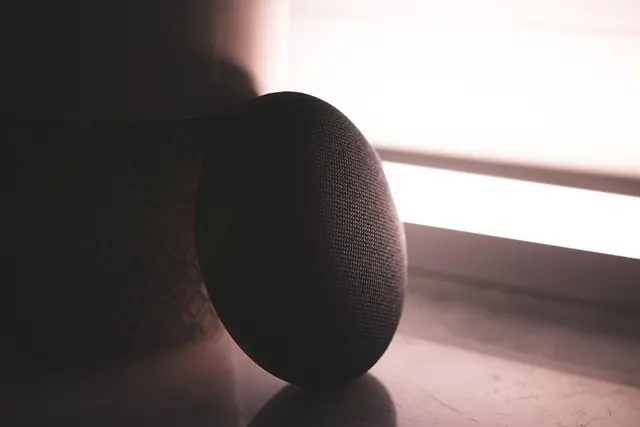
When buying smart home devices, compatibility is key. It's crucial to ensure that the devices you choose can work seamlessly with your home network and any existing devices. For instance, some smart home devices operate exclusively on specific platforms, such as Google Home or Amazon Alexa. Always check product specifications to confirm that they can integrate with your current system or other devices you plan to buy. By investing in compatible technology, you avoid potential frustrations in the long run.
3. Look for User-Friendly Interfaces
The user experience plays a significant role in the satisfaction derived from using smart home devices. Opt for devices with intuitive apps and interfaces that simplify their operation. Deloitte reported that ease of use is a primary factor in customer satisfaction for smart home technology. Look for devices with mobile applications that are easy to navigate. Reading reviews from other users can provide insights into how user-friendly a device truly is.
4. Consider Security Features
As more devices connect to the internet, security becomes paramount. Choose smart home devices that offer robust security features to protect your data and privacy. Look for devices that include encryption, two-factor authentication, and regular firmware updates. According to Symantec, around 60% of IoT devices have critical security vulnerabilities. Prioritising security when purchasing devices can help safeguard your personal information against potential cyber threats.
5. Evaluate Energy Efficiency
Energy efficiency is another critical consideration. Many smart home devices can help you reduce energy consumption and save money on utility bills. Look for products with energy-efficient ratings and features like automated scheduling. For instance, smart thermostats can adjust your home's temperature based on your schedule, ensuring you're not wasting energy when you're away. According to Energy Star, using smart thermostats can save homeowners an average of 10-12% on heating and cooling costs.
6. Read Reviews and Testimonials
Research is essential in the decision-making process. Take time to read customer reviews and testimonials for products you consider. These reviews can provide valuable insights into product performance, reliability, and potential drawbacks. Platforms like Trustpilot or Amazon often have comprehensive customer feedback sections where you can gauge the overall sentiment toward a product. Engaging with communities on forums dedicated to smart home technology can also provide unique perspectives.
7. Budget Accordingly
Smart home devices come in a wide range of prices, from budget-friendly options to high-end products. Establish a budget that accounts for both initial purchases and any future upgrades you may want. Investing in higher-quality devices may offer better longevity and performance, ultimately saving you money down the line. Remember that sometimes paying a little extra upfront can result in substantial long-term benefits.
8. Future-Proofing Your Investment
Technology evolves rapidly, and you want to make sure your smart home devices can adapt to future advancements. Look for brands that have a solid track record of product updates and compatibility with new technologies. This adaptability can save you from needing to replace devices as technology advances. Consider also if the device has an open ecosystem, making it easier to integrate with future devices you may want.
9. Choose the Right Brand
Brand reputation can greatly affect the quality and reliability of smart home devices. Research brands known for their innovation and customer service. Industry giants like Google, Amazon, or Philips Hue have established themselves in the space, but don't overlook smaller brands that might offer a unique solution. Make sure to check warranty offers and customer service reviews to ensure you're making a wise investment.
10. Seek Professional Installation if Needed
While many smart home devices are designed for easy installation, some may require a bit more technical know-how. If you're not comfortable with DIY installation, consider hiring a professional. A poorly installed device can lead to functionality issues or even safety hazards. Seeking professional assistance can ensure that your smart home system is set up correctly and operates at maximum efficiency.
Checklist before Purchase
- [ ] Assess your smart home needs.
- [ ] Verify compatibility with existing devices.
- [ ] Check for user-friendly interfaces.
- [ ] Look into security features.
- [ ] Evaluate energy efficiency ratings.
- [ ] Read multiple customer reviews.
- [ ] Establish your budget.
- [ ] Consider future-proof options.
- [ ] Research brand reputation.
- [ ] Decide if professional installation is necessary.
Glossary
| Terme | Définition |
|---|---|
| IoT (Internet of Things) | Système d'objets physiques intégrant la technologie pour se connecter à Internet. |
| Smart Device | Appareil connecté qui peut être contrôlé à distance, souvent via une application. |
| Smart Home Hub | Dispositif central contrôlant plusieurs appareils de maison intelligente. |
> 📺 Pour aller plus loin : Understanding Smart Home Ecosystems, a comprehensive analysis of different smart home technologies. Recherchez sur YouTube : "smart home ecosystem 2026".
🧠 Quiz rapide : What is the primary benefit of using smart home devices?
- A) Increased energy bills
- B) Enhanced convenience
- C) More manual tasks
Réponse : B — Using smart home technology greatly enhances convenience and efficiency in daily tasks.
📺 Pour aller plus loin : smart home technology buying guide 2026 sur YouTube
Recommended products
Selected by our experts

StarTech.com USB4 to Ethernet Adapter, 10GbE, Multi-Gigabit, Thunderbolt Compatible, 10GBASE-T/5G/2.5G NIC, 10G Ethernet Adapter, 0.5m USB4 Cable,
Back to the Office