Contents (14 sections)
In today's technologically advanced world, integrating smart home devices into your living space is increasingly popular. However, navigating the myriad of options available can be overwhelming. This guide outlines essential considerations to ensure that your purchases enhance both the functionality and efficiency of your home.
1. Understand Your Needs
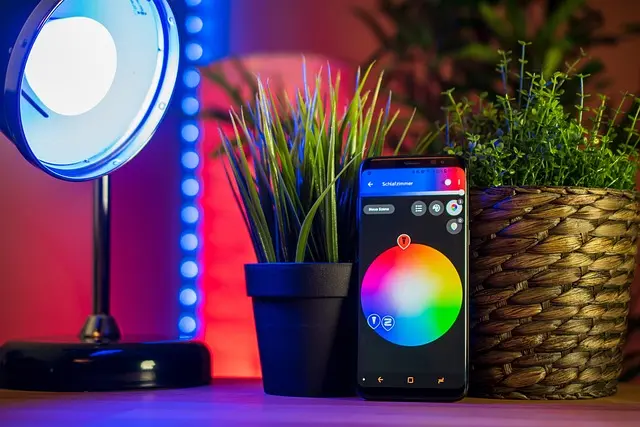
Before diving into the sea of smart home gadgets, take a step back and assess your specific needs. Are you looking to enhance security, improve energy efficiency, or add convenience to your daily routine? For instance, installing smart lights can dramatically improve energy usage while offering convenience via scheduled timers or voice control. According to UFC-Que Choisir, homeowners report a significant reduction in energy costs and increased convenience with these devices. Spend some time determining which areas of your home will benefit most from smart technology to ensure that your investment is worthwhile.
2. Compatibility Matters
When considering buying smart home devices, it’s essential to check for compatibility with your existing setup. Different brands use varying protocols such as Zigbee, Z-Wave, or Wi-Fi. This can dictate whether devices will work seamlessly together or require additional hubs for integration. Before making a purchase, confirm that the devices you are interested in will communicate effectively with one another. A smart home ecosystem that communicates well can enhance your overall experience by offering streamlined control and automation.
3. Research Security Features
Security is a top concern for smart home technology users. The integration of these devices can expose your home to cyber threats if proper precautions are not taken. Before finalising your purchase, research the security features each device offers, such as encryption methods, two-factor authentication, and regular software updates. According to recent findings, brands that prioritise user security often receive higher user satisfaction ratings. Therefore, it’s wise to choose devices from reputable manufacturers invested in customer security.
4. Review Energy Efficiency Ratings
Many homeowners choose to invest in smart home devices to reduce energy consumption and lower utility bills. Ensure that you check energy efficiency ratings before purchasing, as this can lead to significant long-term savings. Devices that have earned labels such as Energy Star not only consume less power but may also provide rebates from energy providers. In fact, a study by the International Energy Agency found that households with energy-efficient smart devices reduced their energy usage by as much as 25%.
5. Read Customer Reviews
Customer reviews can be invaluable when deciding which smart home devices to purchase. They provide insight into the actual performance of a device and highlight any common issues that users face. Websites like Les Numériques often feature expert reviews alongside user testimonials, giving you a comprehensive understanding of the product before you commit. Look for devices with consistent positive feedback regarding functionality, reliability, and customer service.
6. Start with Basic Devices
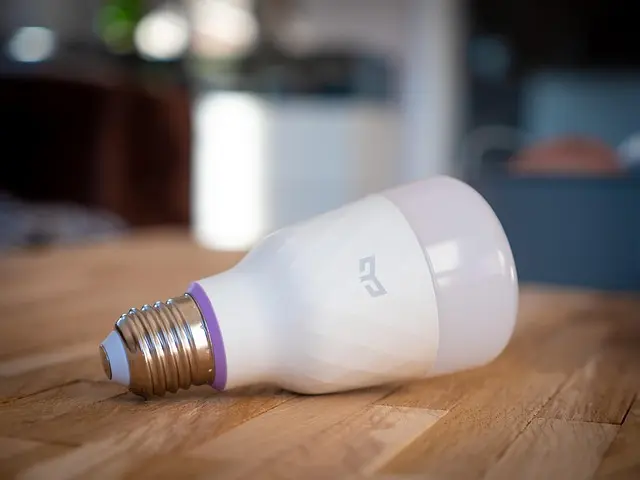
If you’re new to the realm of smart home technology, it’s wise to start slowly rather than overhauling your entire home at once. Consider beginning with foundational devices such as smart bulbs, plugs, or thermostats. These devices are typically less expensive and easy to install, allowing you to familiarise yourself with the technology without large upfront costs. Additionally, starting small lets you gauge how much you use smart technology in your daily life before further investing in more complex devices.
7. Compare Different Models
Once you have identified the type of device you want, it's time to compare various brands and models. Look at different functionalities, price points, and user reviews. This comparative analysis can help ensure you get the best value for your money while meeting your specific needs. Create a table to evaluate key features of different models against one another, such as battery life, ease of installation, integration capabilities, and support services.
| Feature | Model A | Model B | Model C | Verdict |
|---|---|---|---|---|
| Battery Life | 6 months | 12 months | 8 months | Model B leads the pack |
| Integration | Works with Alexa | Works with Google Home | Limited compatibility | Model A and B are versatile |
| Customer Support | Excellent | Good | Fair | Model A excels in support |
| Price | £40 | £50 | £35 | Model C is most affordable |
Once you’ve invested in smart home devices, it's essential to ensure that they remain updated. Equipment that isn't regularly updated can become vulnerable to security risks and may not function optimally. Check if the manufacturer provides regular software updates for their products and consider how easy these updates are to implement. Keeping devices updated not only enhances security but also ensures that you benefit from any new features that may be released post-purchase.
9. Consider Voice Control Features
Voice control capability can add a layer of convenience that makes interacting with your devices more seamless. If you’re interested in this feature, ensure the devices are compatible with the assistant you prefer, such as Amazon’s Alexa or Google Assistant. Check user reviews and functionality to see how well these voice commands are recognised and executed. Many users find that devices with robust voice recognition capabilities significantly improve their smart home experience.
10. Think About Aesthetics
Lastly, it’s vital to consider the aesthetics of your smart home devices. Given that these devices will become part of your everyday lifestyle, they should align with your home’s interior design. Many brands offer a variety of styles and finishes, allowing you to select devices that blend well within your spaces. A cohesive look can enhance the visual appeal of your home while showcasing the advanced technology you’ve chosen to incorporate.
Checklist before Buying Smart Home Devices
- [ ] Assess your specific needs.
- [ ] Ensure compatibility with existing devices.
- [ ] Research security features thoroughly.
- [ ] Compare energy efficiency ratings.
- [ ] Read customer reviews from trusted sources.
- [ ] Start with basic smart devices.
- [ ] Create a comparison table for models.
- [ ] Keep an eye on device updates.
- [ ] Check for voice control capabilities.
- [ ] Consider the aesthetics of the devices.
Glossary
| Terme | Définition |
|---|---|
| Smart Home | A home equipped with devices that automate tasks and enhance living through technology. |
| Compatibility | The ability of devices to work together without conflict. |
| Energy Efficiency | The ability of devices to use less energy to perform the same function, often leading to cost savings. |


📺 Resource Vidéo
> 📺 For further insight: Smart Home Devices Explained, a comprehensive look into essential smart home devices and how they enhance living. Search YouTube for: smart home devices buying guide 2026.
💡 Expert Opinion: Understanding your personal needs and ensuring new devices will integrate seamlessly is crucial to create a smart home environment that improves your lifestyle.
📺 Pour aller plus loin : smart home devices buying guide 2026 sur YouTube
Recommended products
Selected by our experts