Contents (11 sections)
In today’s tech-driven world, smart home devices have transformed the way we live. They offer convenience, security, and efficiency, turning our homes into automated hubs. But with a plethora of products available, how does one go about choosing the right smart home device? This guide aims to demystify the process and help you select the best options tailored to your needs.
1. Understand Your Needs and Goals
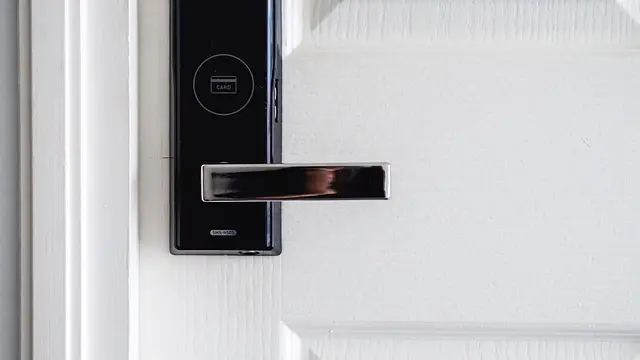
Before diving into the sea of smart home devices, take a moment to evaluate what you need. What problems are you trying to solve? Do you want enhanced security, energy management, or simply the convenience of control from your smartphone? Identifying your goals is crucial. For example, if security is your primary concern, you may want to consider smart cameras, doorbells, and locks.
On the other hand, if you're focused on energy efficiency, smart thermostats and plugs might be more appropriate. According to a study by UFC-Que Choisir, 75% of users reported a significant decrease in energy costs after installing smart home devices aimed at energy management. Define your priorities to streamline your choices effectively.
2. Research the Ecosystem
Once you know your needs, it’s essential to understand the ecosystem in which your selected devices will operate. Many devices rely on hubs or protocols like Zigbee, Z-Wave, or Wi-Fi. When choosing a smart home device, check compatibility with existing systems. If you already use products from a specific manufacturer, consider staying within that brand for easier integration.
For instance, someone using Google Home products may want to stick with devices that seamlessly integrate into the Google ecosystem rather than mixing with Amazon Alexa alternatives. A study from Les Numériques notes that device compatibility is a crucial factor for 65% of users when purchasing smart home equipment.
3. Assess Features and Functionalities
Evaluating the features of potential devices is where the fun begins. Smart home devices come packed with functionalities, but it’s important to identify which ones are beneficial for you. Consider the interface—are you comfortable using an app on your smartphone, or do you prefer voice commands?
Some devices also offer multi-functionality. For instance, certain smart speakers might serve as a hub, alarm clock, and streaming device. Determine which features enhance your lifestyle. You should also take into account the user reviews and ratings; they can provide insight into the real-world performance of the product. Notably, according to a report by 60 Millions de Consommateurs, user satisfaction ratings can provide valuable guidance on device dependability.
4. Budget Considerations
When shopping for smart home devices, budget plays a significant role. Smart devices can range vastly in price, from affordable smart plugs to premium security systems. Establishing a budget not only helps narrow down your options but also aids in avoiding overspending on unnecessary features.
Additionally, factor in any ongoing costs, such as subscription services that may be required for cloud storage, additional features, or premium services. It’s worth noting that some products might appear cheaper upfront but require costly add-ons for full functionality. Therefore, a clear budget will ensure you invest wisely.
5. Installation and User Experience
Consider the ease of installation for each device. Some smart devices are user-friendly and can be set up by anyone, while others may require professional installation due to their complexity. Be realistic about your DIY skills, especially if technical specifications are beyond your comprehension.
Furthermore, assessing the user experience through research can save you considerable frustration down the line. Customer service is another crucial aspect; many users have reported dissatisfaction when faced with issues due to a lack of responsive support. Ensure you can readily access customer assistance when required, which can significantly enhance your overall experience.
6. Longevity and Updates
Choosing a smart home device isn’t just about the moment—it’s essential to think about the long-term viability of your investment. Technology evolves rapidly, and manufacturers frequently update their products. Devices that don’t receive regular updates may become obsolete quickly. Product longevity is tied to durability and ongoing software support, leading to a better return on investment. Opt for devices from manufacturers known for continuous software updates and support, as they will extend the life of your device.
7. Environmental Impact
As we strive for sustainability, consider how smart devices impact the environment. Many devices are more energy-efficient than their predecessors, which can contribute to lower energy bills and reduced carbon footprints. A study from ADEME reveals that smart technology can reduce household energy consumption by up to 20%. Make sure you check the energy ratings of potential devices, as well as the materials used in their production, to make environmentally responsible choices.
📺 Ressource Vidéo
> [An Overview of Smart Home Devices in 2026], a comprehensive analysis of how smart home technology is evolving. Search on YouTube: 2026 smart home technology trends.
Checklist avant achat
- [ ] Define your needs and goals.
- [ ] Research device compatibility with existing systems.
- [ ] Evaluate features important to you.
- [ ] Set a realistic budget, including ongoing costs.
- [ ] Consider installation complexity and support availability.
- [ ] Check for manufacturer longevity and update frequency.
- [ ] Assess the environmental impact of devices.


Smart app wifi Infrared ir remote control air conditioner home devices universal remote controller
Alibaba UK
Glossaire
| Terme | Définition |
|---|---|
| Smart Home Device | An electronic gadget that can connect to a network, allowing control and automation of functions. |
| Ecosystem | The system of integrated devices and technologies that work collaboratively within a specific platform. |
| Zigbee | A communication protocol widely used in smart home devices for low-power and low-data-rate transmissions.
📺 Pour aller plus loin : 2026 smart home technology trends sur YouTube
Recommended products
Selected by our experts

StarTech.com USB4 to Ethernet Adapter, 10GbE, Multi-Gigabit, Thunderbolt Compatible, 10GBASE-T/5G/2.5G NIC, 10G Ethernet Adapter, 0.5m USB4 Cable,
Back to the Office