Contents (15 sections)
In today’s tech-driven environment, smart gadgets have become essential for enhancing convenience and efficiency in our daily lives. However, with numerous options flooding the market, understanding the smart gadgets features to consider during your purchase can be overwhelming. In this article, we will delve into the critical features and factors that should guide your decisions.
Understanding Smart Gadgets: Why Features Matter
Smart gadgets encompass a broad range of devices designed to improve our interaction with technology. These include smart speakers, home automation systems, wearables, and connected appliances. The main goal of these gadgets is to simplify tasks and enhance user experience by integrating seamlessly into our lifestyles. According to a report by Statista, the global smart home market is projected to reach over £150 billion by 2026, indicating a substantial rise in consumer demand for smart technologies.
When it comes to selecting smart gadgets, certain features can greatly influence their performance and usability. This includes connectivity options like Wi-Fi and Bluetooth, compatibility with other devices, user-friendly interfaces, and versatility in everyday applications. For instance, a smart thermostat with robust Wi-Fi connectivity and compatibility with various home systems can offer significant energy savings, providing a clear example of how features can impact efficiency and cost.
Key Features to Consider When Buying Smart Gadgets
1. Connectivity Options
Most smart gadgets rely on robust connectivity for optimal functionality. When choosing a device, consider options such as Wi-Fi, Bluetooth, or Zigbee. Wi-Fi allows for remote access and integration with other smart devices, enhancing home automation capabilities. On the other hand, Bluetooth is ideal for closer-range functionalities, often found in wearable tech and personal aides.
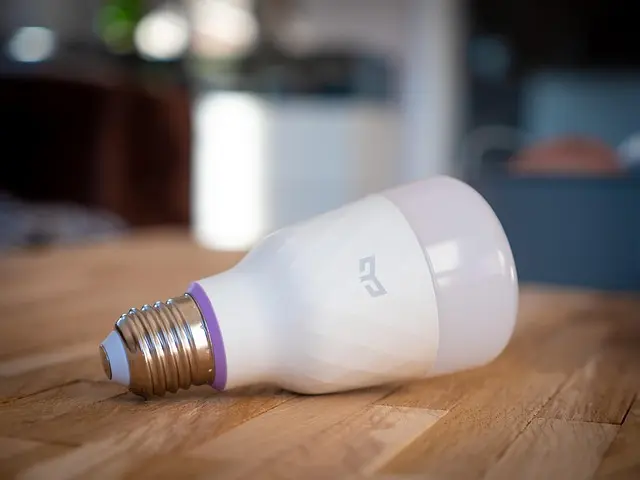
Moreover, some gadgets employ Zigbee technology, enabling them to communicate with other devices over a mesh network, which can improve efficiency in managing various smart home elements. For instance, if you have a smart light bulb that only functions through Zigbee, ensure that your smart hub supports this protocol.
2. Compatibility with Other Devices
Inter-device compatibility is another crucial factor. A gadget that doesn’t play well with others can lead to a frustrating user experience. Products from brands like Google Nest and Amazon Alexa generally support a wide variety of other smart devices, promoting a more harmonious and efficient smart home ecosystem.
Before making a purchase, check if your prospective gadget is compatible with existing devices in your home. This can include anything from appliances to your smartphone. For example, a smart security camera that integrates with your home automation system can enable you to monitor and control your home remotely, significantly enhancing security.
3. User Interface and Ease of Use
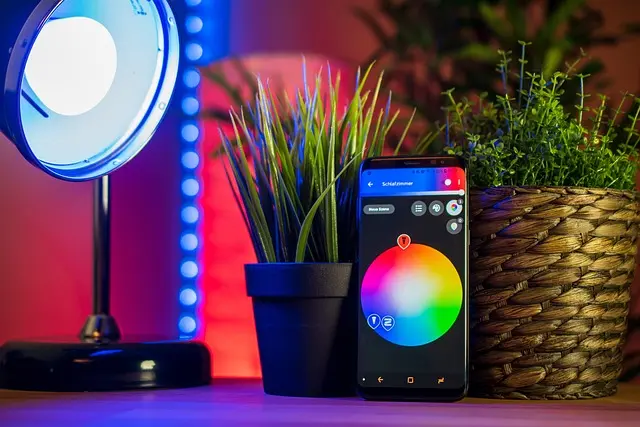
An intuitive user interface can significantly affect your experience with smart gadgets. Always seek devices that provide user-friendly applications or interfaces. Gadgets with clear, straightforward controls and helpful notifications can enhance your engagement and overall satisfaction.
For instance, smart home hubs that feature easy-to-navigate apps allow users to set schedules, receive alerts, and manage settings effortlessly. According to UFC-Que Choisir, user-friendliness is often cited by customers as a significant factor in their satisfaction rates.
4. Security Features
Given the increasing concerns about data privacy and cyber threats, security is paramount when selecting smart gadgets. Look for devices that offer end-to-end encryption and regularly updated software to protect against vulnerabilities. Many gadgets now come equipped with built-in security protocols, ensuring that user data remains safe.
For example, smart security systems might offer two-factor authentication, which can drastically improve your security when accessing the device remotely. Ensure you read customer reviews to gauge any security concerns associated with the gadgets you're considering.
5. Additional Functionality
Lastly, think about the additional functionalities offered by the gadgets you are considering. Beyond their primary functions, many smart devices boast features designed to enhance user experience. For instance, smart televisions now often double as media hubs, allowing for the integration of gaming consoles and streaming devices.
Moreover, some smart assistants can perform multiple tasks, from providing weather updates to controlling your coffee machine or lighting. Consider the potential for future updates or features that may enhance usability, thus offering better value for money.


Comparative Table of Smart Gadgets Features
| Feature | Smart Speaker | Smart Light | Smart Thermostat | Smart Security System |
|---|---|---|---|---|
| Connectivity | Wi-Fi, Bluetooth | Wi-Fi, Zigbee | Wi-Fi | Wi-Fi, Ethernet |
| Compatibility | High | Moderate | High | High |
| User Interface | Voice-Controlled | App-Controlled | App & Manual Control | App-Controlled |
| Security Features | Basic Encryption | Basic Encryption | Two-Factor Auth | Advanced Encryption |
| Additional Functions | Smart Home Integration | Scene Control | Energy Saving Mode | Remote Monitoring |
💡 Expert Opinion: According to tech enthusiasts, focusing on integration possibilities can enhance the satisfaction level significantly. Devices that allow for easy updates and integration into existing ecosystems tend to perform better long-term. Future-proofing your purchases by considering the ecosystem and compatibility can save you from the potential frustrations of limited functionality.
Checklist Before Purchasing Smart Gadgets
- [ ] Assess connectivity options (Wi-Fi, Bluetooth, Zigbee)
- [ ] Check compatibility with existing devices
- [ ] Evaluate user interface and ease of operation
- [ ] Consider security features offered
- [ ] Look for additional functionalities and future update potential
Glossary
| Term | Definition |
|---|---|
| Zigbee | A specification for a suite of high-level communication protocols using low-power digital radios. |
| User Interface | The means by which the user interacts with a software application or device. |
| Smart Home Ecosystem | A network of devices that are connected and can communicate with each other to provide automation. |
📺 For further insights:
Watch out for analyses on smart gadgets' functionalities on YouTube, searching for terms like 'best smart home gadgets 2026'.


IP67, 12V - COB Dotless LED Strip Lighting - Warm White 2700K
simplelighting.co.uk
Recommended products
Selected by our experts


ASUS ProArt PA32UCX-PK computer monitor 81.3 cm (32") 3840 x 2160 pixels 4K Ultra HD LED Black
Quzo UK

Duracell Hi-Speed Advanced Battery Charger CEF27 inc Batteries
batterystation.co.uk