Contents (11 sections)
As technology continues to evolve, smart home devices have become increasingly popular, offering convenience, security, and efficiency. But how do you choose the right devices for your specific needs? This comprehensive buying guide is designed to help you navigate the myriad options available in the market, ensuring you make informed decisions that enhance your home experience.
1. Understanding Smart Home Devices
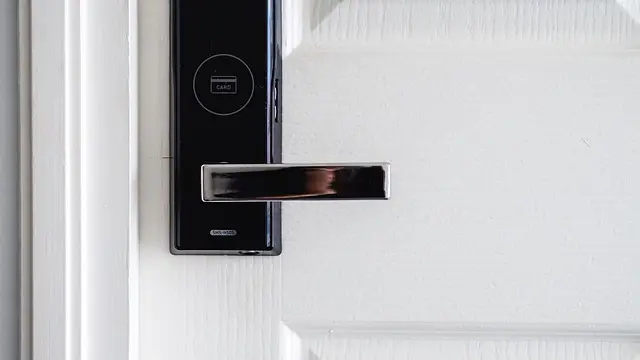
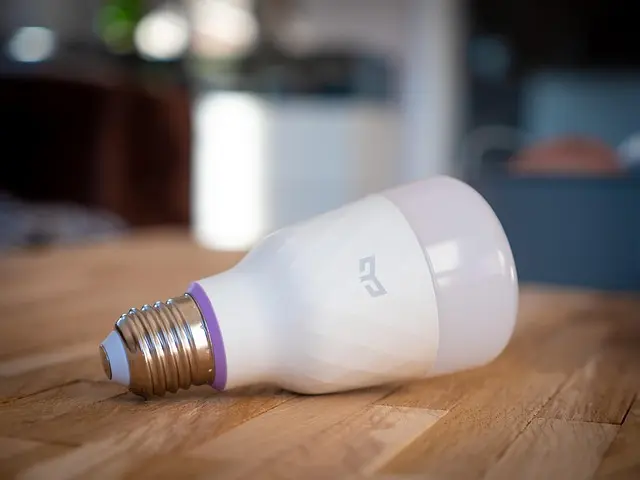
Smart home devices encompass a vast range of products designed to automate and optimise everyday tasks. From smart lights and thermostats to security cameras and voice-activated assistants, these devices use Wi-Fi or Bluetooth connectivity to interact with each other and your smartphone or tablet.
The integration of smart devices allows for remote management and automation, which not only boosts convenience but can also lead to energy savings. According to UFC-Que Choisir, smart thermostats can reduce heating bills by up to 30%. Understanding the potential benefits is crucial before diving into purchases. Ask yourself: What tasks do I want to simplify? What are my priorities, such as security or energy efficiency? This foundational knowledge is essential for making informed choices.
2. Assessing Your Needs
Before you start shopping, it’s vital to assess your household needs. Create a list of tasks and processes in your home that could benefit from automation. For instance:
- Do you want to control lighting remotely?
- Are you interested in improving home security?
- Would you like to monitor energy consumption?
This needs assessment will help you determine which categories of smart home devices to focus on. Furthermore, consider the compatibility of devices to ensure seamless integration. Assessing your space is equally important; devices may require specific setups or compatibility, so understanding your home layout will give you a significant advantage.


3. Researching Brands and Devices
Once you have a clear idea of your needs, research brands and device types that fit those requirements. Look for reputable manufacturers known for quality and customer service. This can often lead you to reliable products that will last. For example, brands like Philips Hue for smart lighting and Ecobee for smart thermostats are both celebrated for their reliability and advanced features.
Consider reviewing product ratings and user feedback on sites like Les Numériques for impartial insights. Pay attention to aspects such as ease of use, installation process, and customer support. Prioritise devices that offer compatibility with your existing ecosystem (such as Amazon Alexa, Google Assistant, or Apple HomeKit), as integration issues can lead to frustration and underutilisation of your new tech.
4. Comparing Features
Feature comparison is essential when it comes to smart devices. Some key features to consider include:
| Feature | Device A | Device B | Verdict |
|---|---|---|---|
| Voice Control | Yes | Yes | Both offer this feature |
| Energy Monitoring | Yes | No | Choose Device A |
| Mobile App Support | Excellent | Good | Device A is superior |
| Price | £100 | £90 | Device B is cheaper |
When comparing features, not only look at the price but also consider the long-term benefits of each option. For instance, while one device may be cheaper upfront, it could lack features that lead to savings or added convenience. Remember, investing slightly more in a device that offers better functionality could enhance your overall smart home experience.
5. Installation Considerations
Smart home devices often require installation, which can vary considerably depending on the product. Some devices are plug-and-play, while others may need more intricate installation procedures. For example, smart thermostats often require professionals to install, especially if they’re wired into your home's heating system. Therefore, when selecting devices, consider your DIY skills and the potential need for professional installation services.
Many brands provide detailed installation guides and customer support to assist with setup. Make sure to explore these resources, as they can save you time and frustration. Furthermore, always verify whether any additional equipment is needed, as this will affect your overall budget and installation timeline.
6. Budgeting for Smart Home Devices
Setting a budget is a critical step in your purchasing journey. Smart home devices can vary widely in price, from affordable options under £50 to high-end devices exceeding £500. Creating a realistic budget can prevent impulse buying and ensure you're investing wisely in technology that meets your needs. Include not just the device cost, but also potential additional expenses such as installation or subscriptions.
Pro tip: prioritise purchasing devices that offer the most benefit to your home first. You can gradually expand your smart home ecosystem as your budget allows. Planning for future upgrades helps ensure continuous improvement of your smart home experience.


Checklist before Buying
- [ ] Assess your household's needs
- [ ] Research brands and user reviews
- [ ] Compare features thoroughly
- [ ] Consider installation requirements
- [ ] Set a realistic budget
Glossary
| Term | Definition |
|---|---|
| Smart Home | A home equipped with technology that allows for automation and remote control of devices. |
| Wi-Fi | A technology that allows devices to connect to the Internet wirelessly. |
| Bluetooth | A short-range wireless technology used for connecting devices. |
> 💡 Expert Opinion: "Investing in smart home technology can significantly enhance your quality of life by automating mundane tasks and improving energy efficiency. However, careful planning and research are essential to create a seamless smart home environment."
📺 For More Information:
Watch our expert reviews on the latest smart home devices on YouTube: best smart home devices 2026.
📺 Pour aller plus loin : best smart home devices 2026 sur YouTube
Recommended products
Selected by our experts