Contents (11 sections)
In today's fast-paced world, the adoption of smart home devices has become commonplace. From lighting controls to security systems, these devices promise to enhance convenience and efficiency in our daily lives. However, with a myriad of options available, choosing smart home devices can be overwhelming. This article aims to provide practical, essential tips that will guide your selection process and ensure you make informed decisions.
1. Determine Your Needs
Before diving into the ocean of available smart home products, it's crucial to clearly define your needs. Are you seeking solutions for energy efficiency, security, or convenience? For instance, if you often forget to turn off lights, smart lighting might be your priority. Understanding your specific needs will help narrow down choices and prevent impulse purchases. According to a recent survey by UFC-Que Choisir, over 60% of consumers regret their smart device purchases due to a lack of planning. Hence, making a list of your priorities can save both time and money.
2. Assess Compatibility
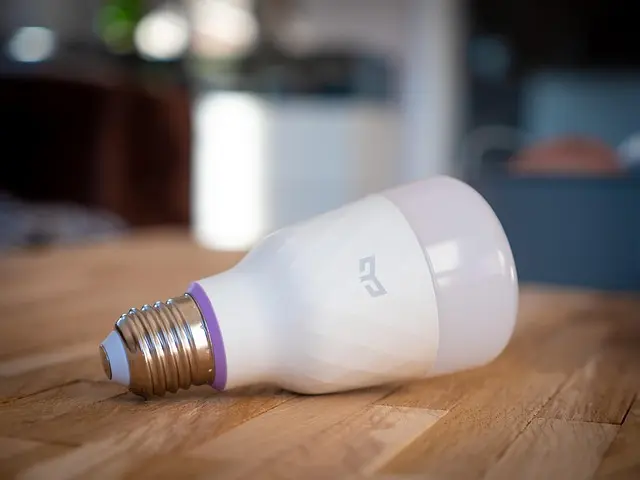
When choosing smart home devices, compatibility stands out as a critical factor. Not all devices work seamlessly with each other, so ensure the products you are considering can integrate with your existing home automation system, such as Amazon Alexa, Google Assistant, or Apple HomeKit. Additionally, consider whether the devices require a separate hub to function. For example, some smart bulbs may only work through a dedicated hub, which might add to your initial costs. Reading user reviews and specifications can provide insights into integration capabilities.


3. Focus on Security Features
In our increasingly connected world, security cannot be overlooked when selecting smart home devices. Look for products with strong security protocols, such as encryption and two-factor authentication. Devices that frequently update their software can also mitigate security vulnerabilities. For instance, smart security cameras should offer robust encryption methods to safeguard your data. According to the Cybersecurity & Infrastructure Security Agency, nearly 70% of smart devices have known vulnerabilities, thus it's essential to choose reputable brands that prioritise user security.
4. Research Energy Efficiency
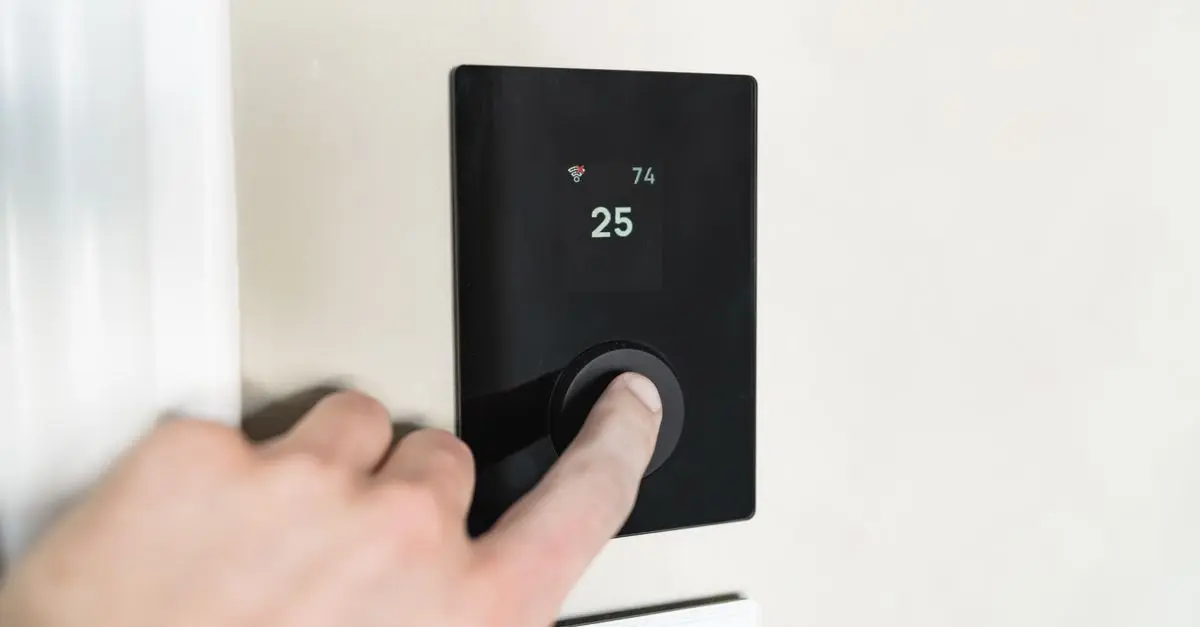
Energy efficiency can significantly impact your long-term savings. Smart home devices, particularly thermostats and lighting systems, should be assessed for energy consumption ratings. Products with smart energy-saving features can adjust their settings based on usage patterns, which can lower your utility bills. A study conducted by ADEME indicates that households using smart thermostats can save up to 25% on heating costs. As such, evaluating the energy efficiency of smart devices not only benefits your wallet but also supports environmental sustainability.
5. Consider User Reviews and Expert Recommendations
When choosing smart home devices, never underestimate the power of user reviews and expert recommendations. Platforms like Les Numériques or 60 Millions de Consommateurs offer comprehensive product tests and insights. Make it a point to read both positive and negative reviews to get a balanced perspective on performance, reliability, and customer service experiences. A product that might seem perfect on paper may have hidden flaws only revealed by user feedback.
Comparison Table
| Feature | Product A | Product B | Product C | Verdict |
|---|---|---|---|---|
| Energy Efficiency | ★★★★★ | ★★★★ | ★★★ | A recommended choice |
| Security Features | Two-factor CTRL | Encryption only | Basic encryption | Medium security risk |
| Compatibility | Alexa, Google | Google only | None | Limited capabilities |
| User Ratings | 4.8/5 | 4.2/5 | 3.8/5 | Best overall |
📺 Ressource Vidéo
> 📺 For further insights: Discover how to set up smart home devices for optimal use, check out related videos on YouTube: smart home device setup 2026.

TP-Link RE705X network extender Network transmitter & receiver White
Back to the Office


Glossary
| Terme | Définition |
|---|---|
| Smart Home | A residence equipped with systems that automate tasks normally handled by humans. |
| IoT | Internet of Things; devices that communicate and interact with each other via the internet. |
| Automation Hub | A central device or application that controls and manages communication between smart devices. |
Checklist before Purchasing
- [ ] Define your specific needs
- [ ] Check device compatibility with existing systems
- [ ] Review security features thoroughly
- [ ] Evaluate energy efficiency ratings
- [ ] Read user reviews and expert opinions
Conclusion
Choosing the right smart home devices can greatly enhance your living experience by adding convenience, security, and energy efficiency. By following these essential tips, you can ensure you invest in technology that meets your needs and integrates seamlessly into your lifestyle.
🧠 Quick Quiz: Which of these smart home features is most crucial?
- A) Energy Efficiency
- B) Security Features
- C) User Reviews
Answer: B — Security is paramount in safeguarding your home and data.
📺 Pour aller plus loin : smart home device setup 2026 sur YouTube
Recommended products
Selected by our experts