Contents (13 sections)
Smart home devices are technological innovations that allow you to control various aspects of your home remotely, all in an effort to enhance convenience and efficiency. These devices can range from smart thermostats that optimise heating and cooling to security systems that provide peace of mind. The importance of selecting the right devices lies in their ability to streamline your daily activities while contributing to energy efficiency. For instance, reports from Statista indicate that the smart home market is expected to reach approximately £170 billion by 2026, signifying an increasing consumer reliance on these technologies. With this knowledge, let's dive into the ten tips that can guide you to find the best smart home devices for your specific needs.
1. Assess Your Needs
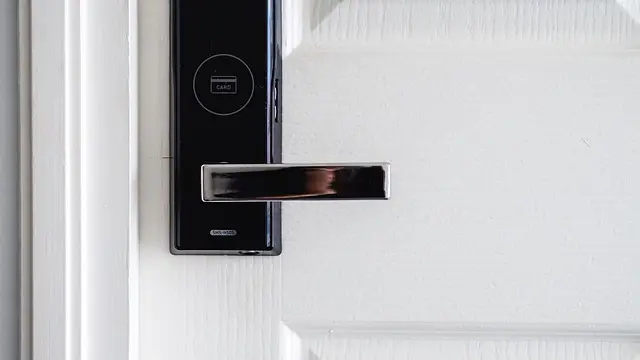
Before venturing into the world of smart home devices, it's crucial to assess what you require. Are you looking to secure your home, reduce energy consumption, or simplify your daily routines? By determining your primary goals, you can narrow down your options. For instance, if home security is your main concern, investing in smart cameras and door locks would be appropriate. Alternatively, if energy efficiency is key, smart thermostats and lighting systems may be your best choices. According to a survey by UFC-Que Choisir, over 60% of consumers reported improved energy management after incorporating smart devices into their homes. This statistic emphasises the value of tailored technology solutions.
2. Compatibility with Existing Systems
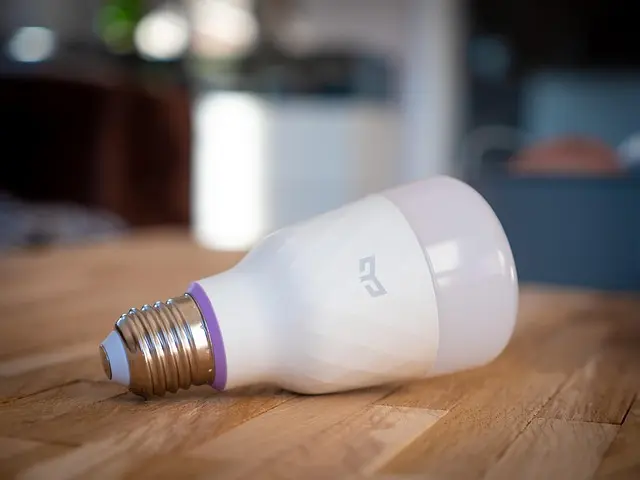
One of the most important considerations when selecting smart home devices is compatibility with your existing home systems. Most smart devices operate on specific platforms, such as Google Home, Amazon Alexa, or Apple HomeKit. If you already have a chosen ecosystem, ensure that any new devices can integrate seamlessly. Otherwise, you may end up with a collection of devices that do not communicate with one another. For example, some smart lighting systems may only work with certain hubs, making initial research essential. Compatibility not only enhances user experience but also prevents unnecessary frustrations.


Samsung Galaxy S26 16 cm (6.3") Dual SIM Android 16.0 5G USB Type-C 12 GB 256 GB 4300 mAh Blue
Back to the Office
3. Research Brands and Read Reviews
With a plethora of brands on the market, it pays to do your homework. Investigating well-known brands can assure you of quality and reliability. However, it’s equally essential to read user reviews and testimonials to gain insight into real-life experiences. Websites like Les Numériques provide comprehensive reviews and comparisons, detailing both the positives and negatives of various smart devices. For instance, a notable percentage of users may highlight connectivity issues with certain brands, while others may praise the integration features of competitors. This feedback can significantly influence your purchasing decision.
4. Set a Budget
Setting a budget is critical when shopping for smart home devices. Smart technology offers products in various price ranges, and having a clear budget can help you prioritise your purchases. While it may be tempting to opt for the cheapest option, considering the long-term benefits and potential savings on energy bills may justify a slightly higher initial investment. Moreover, according to data from INSEE, approximately 45% of smart home users report substantial energy savings, thus potentially recouping initial costs over time.
5. Prioritise Security Features
Smart home devices can be vulnerable to cyber threats, making security a top priority. When selecting devices, opt for those with robust security features, such as end-to-end encryption, and regular software updates. Additionally, avoid devices that require you to disable security settings for connectivity. A secure network for your smart devices is paramount. According to research by the Cybersecurity & Infrastructure Security Agency (CISA), 20% of attacks targeting smart home devices were attributed to weak security protocols. Hence, taking proactive measures can greatly safeguard your home.
6. User-Friendly Interface
The usability of smart home devices is another essential factor to consider. Opt for devices that feature intuitive interfaces, whether it's a mobile app or voice command functionality. Ideally, you want a system that is easy to navigate for all members of your household. Products that are complicated to operate can lead to frustration, negating their benefits. User reviews often highlight the ease or difficulty of operating devices, so take note of these comments during your research.

Samsung Galaxy S26 16 cm (6.3") Dual SIM Android 16.0 5G USB Type-C 12 GB 512 GB 4300 mAh Blue
Back to the Office

Samsung Galaxy S26 16 cm (6.3") Dual SIM Android 16.0 5G USB Type-C 12 GB 256 GB 4300 mAh Black
Back to the Office

Samsung Galaxy S26 16 cm (6.3") Dual SIM Android 16.0 5G USB Type-C 12 GB 256 GB 4300 mAh Violet
Back to the Office
7. Future-Proofing Your Choices
Technology is rapidly advancing, and what may be state-of-the-art today could be obsolete tomorrow. Therefore, consider future-proofing your smart home investments. Products that allow for software updates or connectivity with emerging technologies can save you from having to frequently replace outdated systems. For instance, devices compatible with the Matter standard are designed to ensure interoperability across differing smart home platforms, thus extending their lifespan and utility.
8. Limited Features vs Complete Systems
Decide whether you want standalone devices or a comprehensive smart home system. Standalone devices cater to specific tasks, such as a thermostat or security camera, while complete systems offer a connected network for multiple devices. A smart home hub can centralise control, providing seamless interaction between diverse devices. Assessing the longevity and desire for comprehensive integration will help you decide which route to take.
9. Consider Energy Efficiency
When investing in smart home devices, consider how they can enhance energy efficiency. Devices that allow remote monitoring and control, such as smart thermostats and energy monitoring plugs, can significantly reduce energy consumption. Studies indicate that households using smart thermostats save an average of 10-12% on heating and cooling bills annually. In 2026, smart energy management is projected to save UK homes approximately £4 billion each year. This long-term perspective can help justify a higher upfront cost.
10. Explore Product Recommendations
Finally, it’s useful to explore curated product recommendations based on your needs and preferences. We have selected several products adapted to various smart home applications, from security to energy management. Check out our suggestions below to make informed choices tailored to your specific lifestyle. Whether it’s adding convenience or enhancing security, there’s a smart option available for everyone.
Checklist before Purchase
- [ ] Assess your specific smart home needs
- [ ] Ensure compatibility with existing systems
- [ ] Research brands and read user reviews
- [ ] Set a realistic budget
- [ ] Prioritise security features
- [ ] Check for a user-friendly interface
- [ ] Future-proof your choices
- [ ] Decide on limited features vs a complete system
- [ ] Consider energy efficiency benefits
- [ ] Explore our product recommendations below
Glossary
| Terme | Définition |
|---|---|
| Smart Home Device | Technological device that connects to the internet and can be controlled remotely to automate tasks. |
| Interoperability | The ability of different systems and devices to work together seamlessly. |
| User Interface | The means by which the user interacts with a device, often through an app or voice commands. |
> 📺 For further exploration: Smart Home Essentials Explained, a comprehensive look at modern solutions. Search on YouTube:
smart home technology 2026.
🧠 Quick Quiz: What aspect of smart home technology do you value most?
- A) Security features
- B) Energy efficiency
- C) User-friendliness
Answer: A — Many users prioritise security to protect their homes from cyber threats.
📺 Pour aller plus loin : smart home technology 2026 sur YouTube
Recommended products
Selected by our experts

Samsung Galaxy S26 16 cm (6.3") Dual SIM Android 16.0 5G USB Type-C 12 GB 512 GB 4300 mAh Black
Back to the Office

Samsung Galaxy S26+ 17 cm (6.7") Dual SIM Android 16.0 5G USB Type-C 12 GB 256 GB 4900 mAh Blue
Back to the Office

Samsung Galaxy S26+ 17 cm (6.7") Dual SIM Android 16.0 5G USB Type-C 12 GB 256 GB 4900 mAh White
Back to the Office

Samsung Galaxy S26 Ultra 17.5 cm (6.9") Dual SIM Android 16.0 5G USB Type-C 12 GB 512 GB 5000 mAh Black
Back to the Office

Samsung Galaxy S26 Ultra 17.5 cm (6.9") Dual SIM Android 16.0 5G USB Type-C 12 GB 256 GB 5000 mAh Violet
Back to the Office

Samsung Galaxy S26 16 cm (6.3") Dual SIM Android 16.0 5G USB Type-C 12 GB 512 GB 4300 mAh White
Back to the Office