Contents (25 sections)
With the rise of automation, choosing the best smart home devices can significantly transform your living experience. Smart devices not only enhance convenience but also improve energy efficiency, security, and overall comfort at home. In this guide, we’ll explore ten comprehensive tips to help you make informed decisions when selecting smart devices for your home.
1. Assess Your Needs
Before diving into the world of smart home technology, it’s essential to evaluate your specific needs. Consider what aspects of your home life you would like to automate or enhance. Do you want to increase security, manage energy consumption, or improve convenience? For instance, if you travel frequently, you might prioritise smart security systems or smart locks.
Example Scenario
A family might want smart lights for remote management during vacations, while a tech-savvy individual might prefer home assistants that integrate with various services. By establishing a clear objective, you can narrow down your options effectively.
2. Compatibility with Existing Systems
When selecting smart home devices, it’s crucial to ensure compatibility with your existing systems. Many smart devices communicate through Wi-Fi, Bluetooth, or specific protocols like Zigbee or Z-Wave. Devices that don’t integrate seamlessly with your current setup can lead to a frustrating experience.
Research Before Buying
For example, if you have an existing Amazon Alexa system, choosing devices that are compatible with Alexa can streamline your connectivity and usage. Always check for compatibility before making a purchase to avoid headaches down the line.


Samsung Galaxy S26 16 cm (6.3") Dual SIM Android 16.0 5G USB Type-C 12 GB 256 GB 4300 mAh Blue
Back to the Office
3. Focus on User-Friendly Interfaces
Ease of use should be a top priority when choosing smart home devices. A complex interface can lead to frustration, particularly for those who are not tech-savvy. Look for devices that come with intuitive apps or voice controls.
Practical Tip
Read user reviews to gauge the user experience. Websites like UFC-Que Choisir provide detailed insights into user satisfaction and device functionality, ensuring you make a well-informed choice.
4. Check Security Features
With smart home devices, security is paramount. Ensure the devices you choose have strong security features, such as two-factor authentication, encrypted data transmission, and regular software updates.
The Importance of Security
According to a survey by Les Numériques, nearly 60% of smart device owners have concerns about privacy and security. Investing in devices with robust security measures can help protect your data and increase your peace of mind.
5. Research Customer Support and Warranty
Never overlook the importance of customer support and warranty when purchasing smart home devices. A reputable brand should provide comprehensive customer service, including technical assistance and warranty options.
Trust in Brands
A strong warranty can be indicative of a manufacturer’s trust in their product’s durability. This can save you significant money and stress in case of technical issues.
6. Read Reviews and Ratings
Before finalising your choice, spend time checking reviews and ratings on multiple platforms. User feedback often reveals insights into performance that specifications may not show.
Gathering User Insight
Look for devices that have received high scores across various testing platforms. Resources such as 60 Millions de Consommateurs often conduct thorough product testing, providing you with reliable, unbiased information.

Samsung Galaxy S26 16 cm (6.3") Dual SIM Android 16.0 5G USB Type-C 12 GB 512 GB 4300 mAh Blue
Back to the Office

Samsung Galaxy S26 16 cm (6.3") Dual SIM Android 16.0 5G USB Type-C 12 GB 256 GB 4300 mAh Black
Back to the Office

Samsung Galaxy S26 16 cm (6.3") Dual SIM Android 16.0 5G USB Type-C 12 GB 256 GB 4300 mAh Violet
Back to the Office
7. Consider Ecosystem Integration
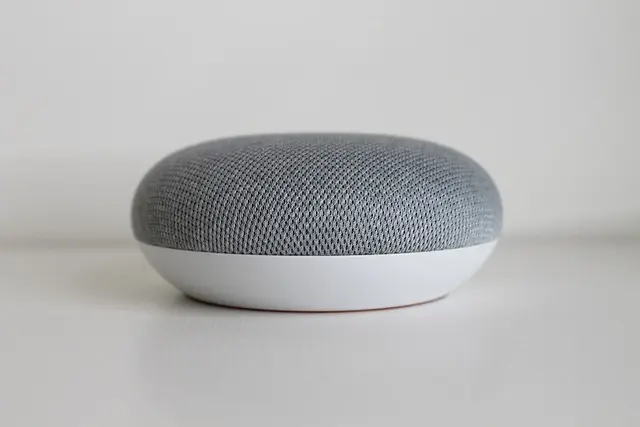
Many smart home devices belong to specific ecosystems (like Apple HomeKit, Google Home, or Amazon Alexa). Choosing devices that align with your preferred ecosystem enhances interoperability and functionality.
Why Ecosystem Matters
For example, if you choose Google Assistant as your primary smart home platform, selecting devices that integrate within that ecosystem will allow for smoother interactions and more streamlined controls.
8. Explore Energy Efficiency Ratings
Prioritising energy-efficient devices can reduce your overall energy bills and environmental impact. Look for smart devices that boast high energy efficiency ratings.
Benefits of Energy Efficiency
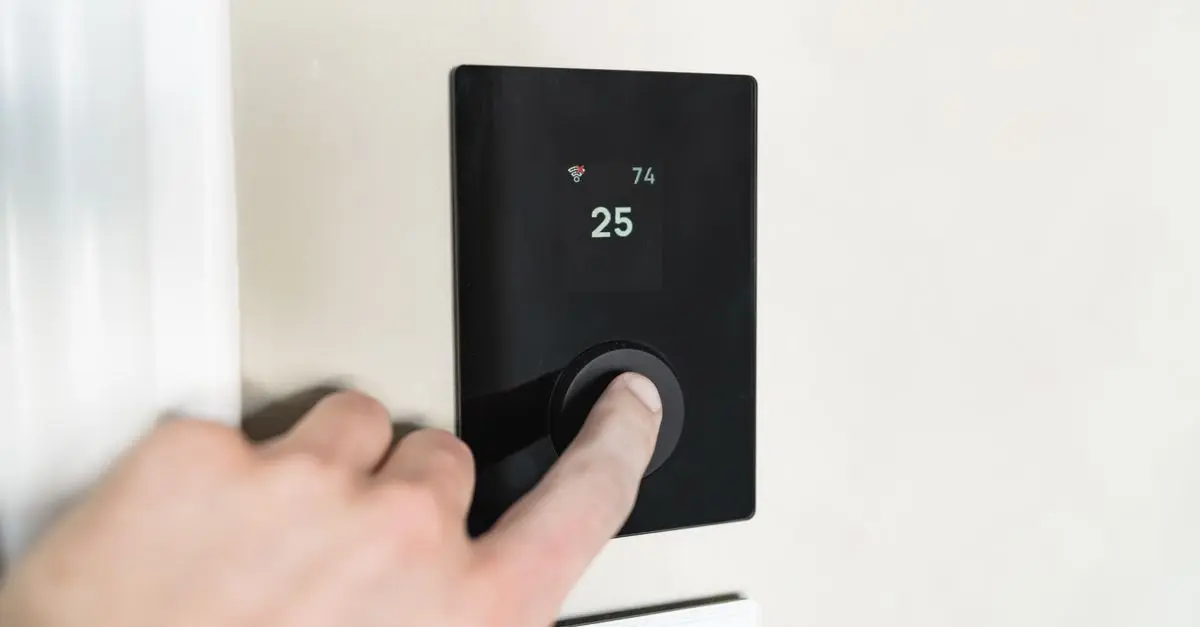
Devices like smart thermostats or energy monitoring plugs can provide real-time feedback and allow for better energy management, potentially leading to significant savings according to ADEME's studies on energy usage.
9. Assess Installation Requirements
Some smart devices may require professional installation while others are designed for user-friendly setups. Understand the installation process required for each device beforehand to avoid unexpected costs or challenges.
DIY vs Professional Installation
For instance, smart lighting systems might be easy to install on your own, while a comprehensive security system may require professional assistance. Weighing these considerations will help you choose what best aligns with your abilities and budget.
10. Budget Wisely
Finally, set a realistic budget that considers not only the upfront cost but also additional expenses, such as installation fees, subscriptions for services, or maintenance costs. This comprehensive approach to budgeting will help ensure you can enjoy your smart home investments without financial strain.
Long-term Considerations
For enhanced features, some smart devices may require ongoing subscriptions, so it’s wise to research these elements before purchase to avoid being blindsided by future expenses.
Conclusion
In summary, choosing the best smart home devices requires careful consideration and planning. Use this checklist to guide your decision-making process:
- [ ] Assess your specific needs
- [ ] Ensure compatibility with current systems
- [ ] Focus on user-friendly interfaces
- [ ] Check security features
- [ ] Research customer support options
- [ ] Read reviews and ratings
- [ ] Consider ecosystem integration
- [ ] Explore energy efficiency ratings
- [ ] Assess installation requirements
- [ ] Budget wisely
By keeping these essential tips in mind, you will successfully enhance your home with the latest technological innovations.
📺 Resource Video
For more insights, check out: [Best Smart Home Devices for 2026], where we explore innovative options available today.
Glossary
| Terme | Définition |
|---|---|
| Smart Home | Un environnement domestique équipé de dispositifs interconnectés qui peuvent être contrôlés à distance. |
| IoT (Internet of Things) | Réseau de dispositifs physiques connectés à Internet, capables d'échanger des données. |
| Ecosystème | Ensemble de produits ou services qui fonctionnent ensemble dans un cadre technologique donné. |
Checklist avant achat
- [ ] Vérifier le critère A
- [ ] Comparer les options B
- [ ] Contrôler le point C
- [ ] Analyser les fonctionnalités de sécurité
- [ ] S'assurer de la compatibilité du système
🧠 Quiz rapide : Quel est le critère le plus important lors de l'achat d'un appareil intelligent ?
- A) Prix
- B) Connectivité
- C) Design
Réponse : B — La connectivité assure une interaction fluide entre les dispositifs.
📺 Pour aller plus loin : best smart home devices 2026 sur YouTube
Recommended products
Selected by our experts

Samsung Galaxy S26 16 cm (6.3") Dual SIM Android 16.0 5G USB Type-C 12 GB 512 GB 4300 mAh Black
Back to the Office

Samsung Galaxy S26+ 17 cm (6.7") Dual SIM Android 16.0 5G USB Type-C 12 GB 256 GB 4900 mAh Blue
Back to the Office

Samsung Galaxy S26+ 17 cm (6.7") Dual SIM Android 16.0 5G USB Type-C 12 GB 256 GB 4900 mAh White
Back to the Office

Samsung Galaxy S26 Ultra 17.5 cm (6.9") Dual SIM Android 16.0 5G USB Type-C 12 GB 512 GB 5000 mAh Black
Back to the Office

Samsung Galaxy S26 Ultra 17.5 cm (6.9") Dual SIM Android 16.0 5G USB Type-C 12 GB 256 GB 5000 mAh Violet
Back to the Office

Samsung Galaxy S26 16 cm (6.3") Dual SIM Android 16.0 5G USB Type-C 12 GB 512 GB 4300 mAh White
Back to the Office